Welcome to the official website of Renqiu Kaizheng Machinery Parts Factory

language
Innovations in Steel Sprocket Wheel Design: What You Need to Know
2026-05-16
Innovations in Steel Sprocket Wheel Design: What You Need to Know
Table of Contents
- Introduction to Steel Sprocket Wheels
- Historical Overview of Sprocket Wheel Design
- Current Materials Used in Steel Sprocket Wheels
- Innovative Designs in Steel Sprocket Wheels
- Advanced Manufacturing Techniques in Sprocket Production
- Performance Enhancements through Design Innovations
- Sustainability in Steel Sprocket Wheel Design
- Future Trends in Steel Sprocket Wheel Design
- Conclusion
- Frequently Asked Questions
Introduction to Steel Sprocket Wheels
Steel sprocket wheels play a fundamental role in the functioning of various industrial machines, providing the necessary interface for power transmission. These wheels are integral components in chain drives, conveyor systems, and numerous automated operations. As industries evolve, the demand for more efficient, durable, and cost-effective solutions leads to continuous innovations in sprocket wheel design. This article aims to provide an in-depth understanding of these innovations, focusing on materials, design techniques, and manufacturing processes that redefine the capabilities of steel sprocket wheels.
Historical Overview of Sprocket Wheel Design
The concept of sprocket wheels dates back to the early days of mechanical engineering. Initially crafted from wood and later from cast iron, these components served the basic function of engaging with chains to transmit motion. Over the decades, advancements in metallurgy and manufacturing have led to the introduction of steel sprockets, significantly enhancing their strength and performance. The evolution of sprocket wheel design reflects a broader trend towards precision engineering and automation, paving the way for innovations that cater to modern industrial needs.
Current Materials Used in Steel Sprocket Wheels
The choice of materials is crucial in determining the performance and longevity of steel sprocket wheels. Traditionally, high-carbon steel has been the material of choice due to its hardness and wear resistance. However, recent innovations have led to the use of advanced alloys and composites that offer improved mechanical properties.
Enhanced Steel Alloys
Modern steel sprocket designs often incorporate specialized alloys, such as chromium-molybdenum steel, which provide exceptional strength and resistance to deformation. These alloys contribute to longer fatigue life and better performance under high-stress conditions.
Coatings and Treatments
Innovative surface coatings, including nitride and chrome plating, have emerged as effective methods to enhance the durability of steel sprockets. These treatments not only improve wear resistance but also reduce friction, leading to increased efficiency in power transmission.
Innovative Designs in Steel Sprocket Wheels
The design of steel sprocket wheels has undergone significant changes, focusing on optimizing their functionality and compatibility with various applications. Innovative design features include:
Toothed Profile Optimization
The profile of the teeth on sprocket wheels is critical for smooth operation. Modern design techniques allow for precise tooth profiles that maximize engagement with the chain, reducing slippage and wear. This optimization results in enhanced power transmission efficiency.
Weight Reduction Strategies
With the increasing need for lightweight machinery, engineers are now focusing on reducing the weight of sprocket wheels without compromising their strength. Techniques such as reducing the thickness of certain areas and employing advanced design software for simulation have contributed to this objective.
Advanced Manufacturing Techniques in Sprocket Production
The manufacturing process of steel sprocket wheels has seen significant advancements, largely driven by technological innovations.
3D Printing in Sprocket Production
Additive manufacturing, or 3D printing, has revolutionized the way sprocket wheels are produced. This technique allows for the creation of complex geometries that were previously impossible with traditional manufacturing methods. By enabling rapid prototyping, 3D printing accelerates the design process and reduces material waste.
CNC Machining
Computer Numerical Control (CNC) machining has become the standard for producing high-precision sprocket wheels. This technology ensures consistent quality and allows for intricate designs to be manufactured with minimal tolerances, leading to improved performance.
Performance Enhancements through Design Innovations
Innovations in design and materials have translated into substantial improvements in the performance of steel sprocket wheels.
Increased Load Capacity
With the introduction of advanced alloys and optimized designs, modern sprocket wheels can support greater loads without the risk of failure. This enhancement is crucial for industries that rely on heavy machinery and equipment.
Reduced Noise and Vibration
Innovative designs also contribute to reducing noise and vibration during operation. By optimizing the tooth profile and ensuring a secure fit with the chain, manufacturers can produce quieter sprockets, enhancing the overall user experience.
Sustainability in Steel Sprocket Wheel Design
As industries become more environmentally conscious, sustainability in manufacturing has become a priority. Innovations in steel sprocket design are now integrating eco-friendly practices.
Recyclable Materials
Manufacturers are increasingly using recyclable materials in the production of steel sprocket wheels. This approach not only minimizes waste but also reduces the carbon footprint associated with the manufacturing process.
Energy-Efficient Production Methods
The adoption of energy-efficient manufacturing techniques further supports sustainability efforts. By optimizing production processes, manufacturers can reduce energy consumption while maintaining high-quality standards.
Future Trends in Steel Sprocket Wheel Design
Looking ahead, several trends are poised to shape the future of steel sprocket wheel design.
Smart Sprockets
The integration of smart technology into sprocket wheels is on the horizon. Smart sprockets equipped with sensors can provide real-time data on performance metrics, enabling predictive maintenance and reducing downtime.
Customization and Modular Designs
The demand for customized solutions is increasing. Future designs will likely focus on modularity, allowing for easier replacement and adaptation to various machinery types, catering to specific industrial needs.
Conclusion
Innovations in steel sprocket wheel design are reshaping the landscape of industrial machinery, making these components more efficient, durable, and sustainable. As we explored in this article, advancements in materials, design techniques, and manufacturing processes significantly enhance the performance of sprocket wheels. By staying abreast of these innovations, industries can leverage cutting-edge technology to optimize their operations and achieve greater efficiency.
Frequently Asked Questions
1. What are the key benefits of modern steel sprocket wheel design?
Modern steel sprocket wheels offer enhanced durability, weight reduction, improved efficiency, and lower noise levels, making them essential for contemporary industrial applications.
2. How have materials changed in sprocket wheel production?
Recent advancements have introduced high-performance alloys and specialized coatings that improve strength, wear resistance, and overall performance.
3. What manufacturing techniques are used for steel sprocket wheels today?
Advanced manufacturing techniques such as CNC machining and 3D printing are now commonly employed for producing high-precision and complex sprocket designs.
4. Can sprocket wheels be recycled?
Yes, most steel sprocket wheels are made from recyclable materials, and many manufacturers have adopted eco-friendly practices in their production processes.
5. What future trends should we expect in sprocket wheel design?
The future may see the introduction of smart sprockets with integrated sensors and a focus on modular designs for easier customization and application across various industries.
Recent News
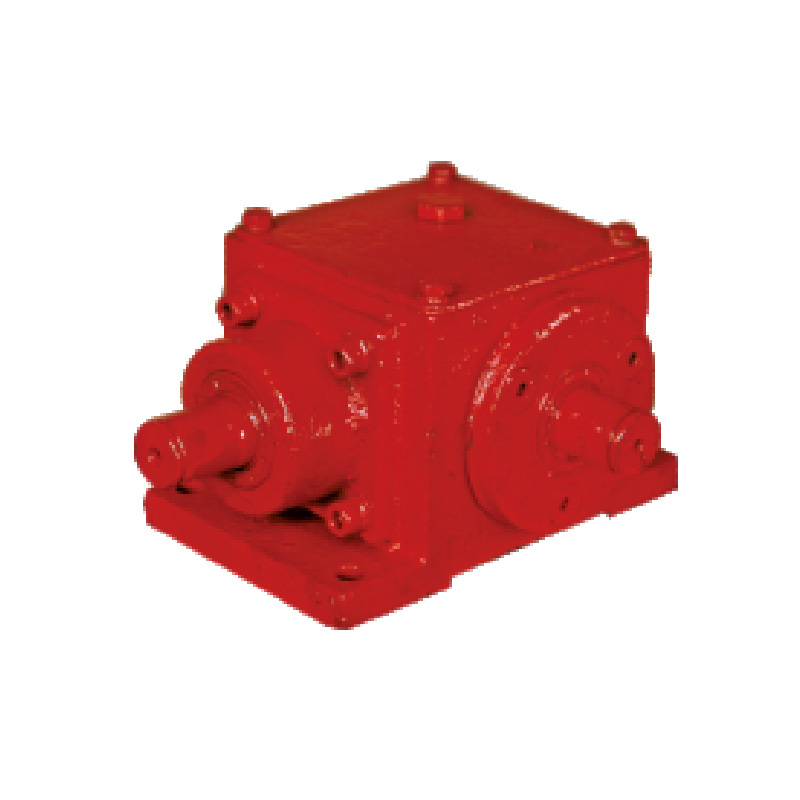
Understanding Gearboxes: The Heart of Industrial Motion
---
Gearboxes are critical components in various industrial applications, designed to transfer power and adjust the speed and torque of machinery. At their core, gearboxes consist of a series of gears that engage with each other to modify the rotational speed and force transmitted from one component to another. Whether in manufacturing, construction, or transportation, the choice of gearbox can si