Welcome to the official website of Renqiu Kaizheng Machinery Parts Factory

language
Understanding Agricultural Machinery Sprockets: A Key Component in Efficient Farming
2026-05-15
Agricultural machinery sprockets are essential components in various farming equipment, playing a crucial role in the transmission of power within machinery. These sprockets, designed to engage with chains, help in the movement of different mechanical parts, ensuring that machinery operates smoothly and efficiently. Understanding the characteristics and functions of agricultural machinery sprockets can significantly impact the performance and reliability of your equipment.
One of the primary functions of sprockets in agricultural machinery is to facilitate the transfer of rotational motion. When a sprocket is connected to a chain, it helps to convert the motor's rotational energy into linear motion, allowing various farming implements to move as intended. This process is vital for equipment such as tractors, harvesters, and tillers, where precision and timely operations are crucial for maximizing productivity.
Material selection is another critical aspect when it comes to agricultural machinery sprockets. Sprockets are commonly made from materials like steel or plastic, each offering unique advantages. Steel sprockets are known for their durability and strength, making them suitable for heavy-duty applications. In contrast, plastic sprockets can be lightweight and corrosion-resistant, which is beneficial in environments where exposure to moisture or chemicals is high. Choosing the right material ensures that the sprockets can withstand the demands of farming operations, leading to reduced maintenance and replacement costs.
The design of agricultural machinery sprockets also plays a significant role in their efficiency. A well-designed sprocket will have the correct tooth profile and spacing to ensure proper engagement with the chain. This design minimizes wear and tear on both the sprocket and the chain, resulting in a longer service life for both components. Additionally, proper alignment and tensioning of the chain and sprockets are essential to prevent slippage, which can lead to inefficiencies and potential damage to the machinery.
Regular maintenance is paramount to ensuring that agricultural machinery sprockets function optimally. This includes inspecting for wear and tear, proper lubrication, and ensuring that the sprocket and chain are clean from debris. Neglecting these maintenance practices can lead to premature failure, increased downtime, and higher operational costs.
In conclusion, agricultural machinery sprockets are a vital component that contributes to the efficiency and performance of farming equipment. By understanding their functions, material options, design considerations, and maintenance needs, agricultural professionals can make informed choices that enhance the longevity and effectiveness of their machinery. Investing in quality sprockets and adhering to regular maintenance practices is essential for achieving optimal performance in the agricultural sector.
One of the primary functions of sprockets in agricultural machinery is to facilitate the transfer of rotational motion. When a sprocket is connected to a chain, it helps to convert the motor's rotational energy into linear motion, allowing various farming implements to move as intended. This process is vital for equipment such as tractors, harvesters, and tillers, where precision and timely operations are crucial for maximizing productivity.
Material selection is another critical aspect when it comes to agricultural machinery sprockets. Sprockets are commonly made from materials like steel or plastic, each offering unique advantages. Steel sprockets are known for their durability and strength, making them suitable for heavy-duty applications. In contrast, plastic sprockets can be lightweight and corrosion-resistant, which is beneficial in environments where exposure to moisture or chemicals is high. Choosing the right material ensures that the sprockets can withstand the demands of farming operations, leading to reduced maintenance and replacement costs.
The design of agricultural machinery sprockets also plays a significant role in their efficiency. A well-designed sprocket will have the correct tooth profile and spacing to ensure proper engagement with the chain. This design minimizes wear and tear on both the sprocket and the chain, resulting in a longer service life for both components. Additionally, proper alignment and tensioning of the chain and sprockets are essential to prevent slippage, which can lead to inefficiencies and potential damage to the machinery.
Regular maintenance is paramount to ensuring that agricultural machinery sprockets function optimally. This includes inspecting for wear and tear, proper lubrication, and ensuring that the sprocket and chain are clean from debris. Neglecting these maintenance practices can lead to premature failure, increased downtime, and higher operational costs.
In conclusion, agricultural machinery sprockets are a vital component that contributes to the efficiency and performance of farming equipment. By understanding their functions, material options, design considerations, and maintenance needs, agricultural professionals can make informed choices that enhance the longevity and effectiveness of their machinery. Investing in quality sprockets and adhering to regular maintenance practices is essential for achieving optimal performance in the agricultural sector.
Recent News
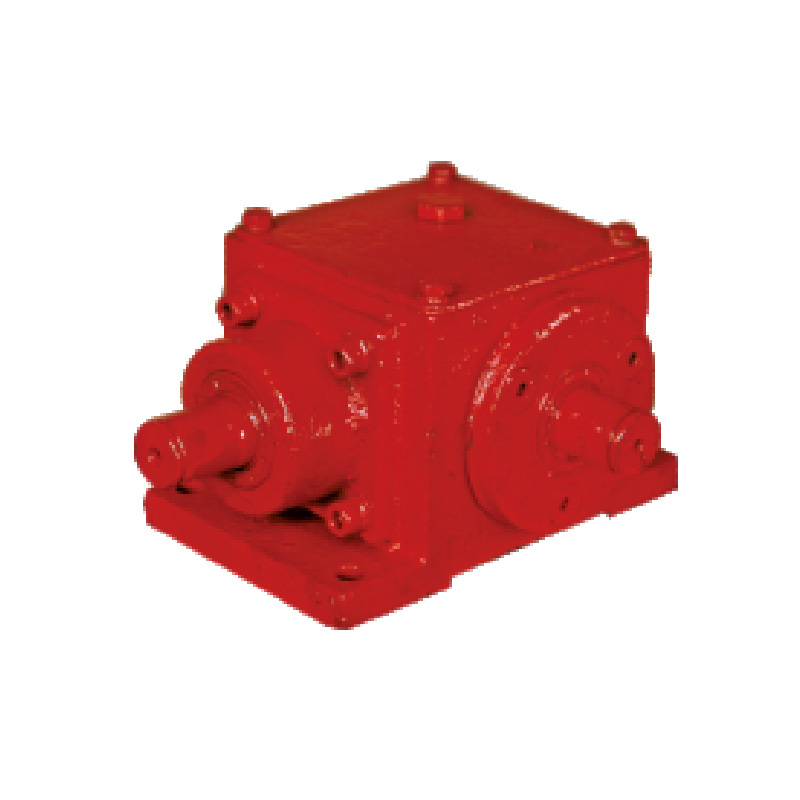
Understanding Gearboxes: The Heart of Industrial Motion
---
Gearboxes are critical components in various industrial applications, designed to transfer power and adjust the speed and torque of machinery. At their core, gearboxes consist of a series of gears that engage with each other to modify the rotational speed and force transmitted from one component to another. Whether in manufacturing, construction, or transportation, the choice of gearbox can si