Welcome to the official website of Renqiu Kaizheng Machinery Parts Factory

language
Understanding Gears: The Heart of Transmission Systems in Automotive and Motorcycle Applications
2026-05-15
Gears are fundamental components in the transmission systems of vehicles, playing a pivotal role in converting power from the engine to the wheels. They facilitate the transfer of motion and torque, enabling vehicles to operate efficiently across various speeds and loads. Understanding the intricacies of gears is essential for anyone involved in the automotive and motorcycle industries, whether you are a technician, engineer, or an enthusiast.
First, let's examine the types of gears commonly used in automotive and motorcycle applications. The most prevalent types include spur gears, helical gears, bevel gears, and worm gears. Spur gears are designed with straight teeth and are typically used for simple speed reductions and increases. They are efficient but can be noisy at high speeds. Helical gears, in contrast, have angled teeth that allow for smoother and quieter operation, making them ideal for high-performance applications.
Bevel gears are essential in systems where the direction of power transmission needs to change, such as in differential gears. They are commonly found in the rear axles of vehicles. Worm gears provide a high torque output and can reduce speed efficiently, often used in specific applications where space is limited.
The material selection for gears is also vital. Gears are often manufactured from high-strength steel or various alloys to withstand the significant stresses they encounter during operation. Additionally, surface treatments like carburizing or hardening can enhance wear resistance, prolonging the lifespan of gears in demanding environments.
Proper lubrication is crucial to the longevity and performance of gear systems. Choosing the right lubricant can minimize friction and wear, reducing the likelihood of gear failure. Regular maintenance checks, including inspections for wear and tear, are essential for ensuring that gears operate smoothly and efficiently.
Furthermore, gear ratios are a critical aspect to consider in transmission design. The gear ratio determines how many times the output gear turns for each turn of the input gear. This ratio affects the overall performance of the vehicle, influencing acceleration, speed, and fuel efficiency.
In conclusion, a solid understanding of gears and their functions is essential for optimizing the performance of automotive and motorcycle transmission systems. By focusing on the types of gears, materials, lubrication, and maintenance practices, professionals in the industry can enhance their operational efficiency and ensure the reliability of their vehicles. Whether you are repairing, designing, or simply maintaining a vehicle, knowledge of gears is indispensable for achieving optimal performance.
First, let's examine the types of gears commonly used in automotive and motorcycle applications. The most prevalent types include spur gears, helical gears, bevel gears, and worm gears. Spur gears are designed with straight teeth and are typically used for simple speed reductions and increases. They are efficient but can be noisy at high speeds. Helical gears, in contrast, have angled teeth that allow for smoother and quieter operation, making them ideal for high-performance applications.
Bevel gears are essential in systems where the direction of power transmission needs to change, such as in differential gears. They are commonly found in the rear axles of vehicles. Worm gears provide a high torque output and can reduce speed efficiently, often used in specific applications where space is limited.
The material selection for gears is also vital. Gears are often manufactured from high-strength steel or various alloys to withstand the significant stresses they encounter during operation. Additionally, surface treatments like carburizing or hardening can enhance wear resistance, prolonging the lifespan of gears in demanding environments.
Proper lubrication is crucial to the longevity and performance of gear systems. Choosing the right lubricant can minimize friction and wear, reducing the likelihood of gear failure. Regular maintenance checks, including inspections for wear and tear, are essential for ensuring that gears operate smoothly and efficiently.
Furthermore, gear ratios are a critical aspect to consider in transmission design. The gear ratio determines how many times the output gear turns for each turn of the input gear. This ratio affects the overall performance of the vehicle, influencing acceleration, speed, and fuel efficiency.
In conclusion, a solid understanding of gears and their functions is essential for optimizing the performance of automotive and motorcycle transmission systems. By focusing on the types of gears, materials, lubrication, and maintenance practices, professionals in the industry can enhance their operational efficiency and ensure the reliability of their vehicles. Whether you are repairing, designing, or simply maintaining a vehicle, knowledge of gears is indispensable for achieving optimal performance.
Recent News
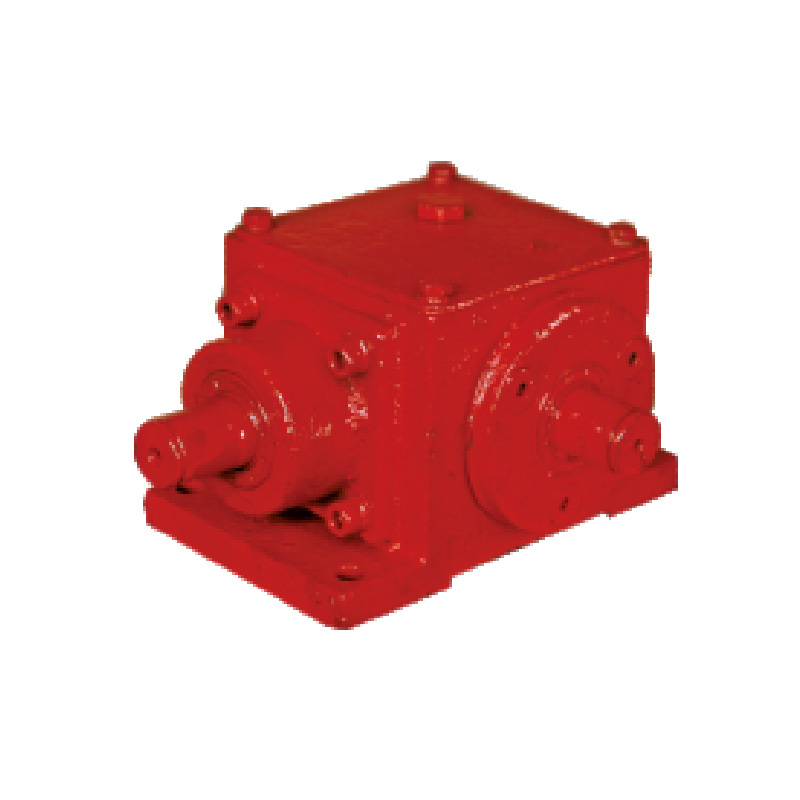
Understanding Gearboxes: The Heart of Industrial Motion
---
Gearboxes are critical components in various industrial applications, designed to transfer power and adjust the speed and torque of machinery. At their core, gearboxes consist of a series of gears that engage with each other to modify the rotational speed and force transmitted from one component to another. Whether in manufacturing, construction, or transportation, the choice of gearbox can si