Welcome to the official website of Renqiu Kaizheng Machinery Parts Factory

Sprocket Wheel for Efficient Chain Drive Systems in Industrial, Automotive, and Agricultural Machinery Applications
2026-04-20
A sprocket wheel is a fundamental mechanical component designed to transmit rotary motion and torque through a chain drive system. It is widely used in various industries, including automotive, bicycles, motorcycles, conveyors, agricultural machinery, mining equipment, and industrial automation systems. The sprocket wheel works in conjunction with a roller chain or silent chain, converting rotational motion between shafts with high efficiency and reliability.
The basic structure of a sprocket wheel consists of a toothed wheel with precisely engineered teeth that engage with the links of a chain. This engagement ensures smooth power transmission without slippage, making it an ideal solution for applications requiring synchronized motion and stable torque delivery. Depending on the application, sprocket wheels can be designed in single-row (simplex), double-row (duplex), or multi-row (triplex or more) configurations to handle different load capacities and performance requirements.
Sprocket wheels are typically manufactured from high-strength materials such as carbon steel, alloy steel, or stainless steel. These materials are chosen for their excellent mechanical strength, wear resistance, and fatigue resistance. In high-load or high-speed applications, heat treatment processes such as quenching and tempering are applied to enhance hardness and extend service life. Surface treatments like black oxide coating, galvanization, or nickel plating are also used to improve corrosion resistance and durability in harsh working environments.
Precision machining plays a crucial role in sprocket wheel performance. The tooth profile must be accurately cut to ensure perfect meshing with the chain links. Any deviation in tooth geometry can lead to increased wear, noise, and reduced transmission efficiency. Modern manufacturing techniques such as CNC machining and gear hobbing are widely used to achieve high dimensional accuracy and consistency.
Sprocket wheels are essential in conveyor systems, where they are used to drive continuous material handling processes in factories, warehouses, and production lines. In automotive applications, sprockets are used in timing systems, engine components, and drivetrain mechanisms. In agriculture, they are commonly found in harvesters, tractors, and irrigation equipment, where reliable power transmission is critical for field operations.
One of the key advantages of sprocket wheel systems is their ability to transmit high torque over long distances with minimal energy loss. Compared to belt drives, chain and sprocket systems offer better efficiency, no slipping, and improved load-handling capacity. They are also relatively easy to install, maintain, and replace, making them a cost-effective solution for many mechanical systems.
Proper lubrication and maintenance are important to ensure optimal performance and longevity of sprocket wheels. Regular inspection of chain tension, tooth wear, and alignment helps prevent premature failure and ensures smooth operation. In industrial environments, automatic lubrication systems are often used to maintain consistent performance and reduce maintenance downtime.
Different designs of sprocket wheels are available to suit specific applications. For example, timing sprockets are used in engine systems where precise synchronization is required, while conveyor sprockets are designed for heavy-duty continuous operation. Custom sprocket wheels can also be manufactured based on customer drawings and specifications to meet unique engineering requirements.
In modern mechanical engineering, sprocket wheels continue to play a vital role due to their simplicity, reliability, and efficiency. With advancements in material science and manufacturing technology, today’s sprocket wheels offer improved durability, reduced noise, and higher performance under demanding conditions.
Overall, the sprocket wheel remains an indispensable component in power transmission systems, providing a robust, efficient, and long-lasting solution for a wide range of industrial and mechanical applications.
Recent News
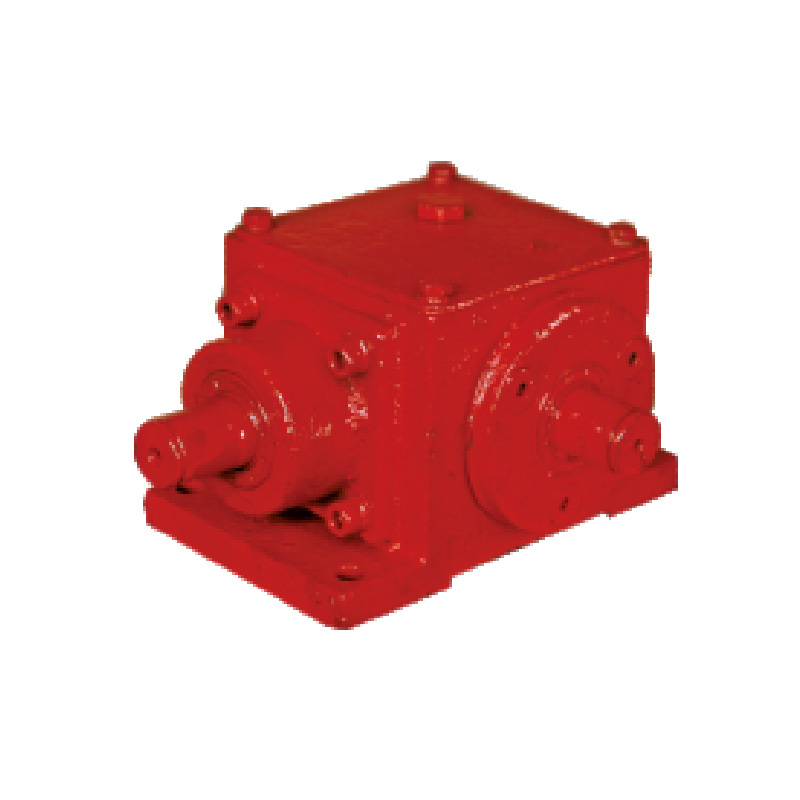
Understanding Gearboxes: The Heart of Industrial Motion