Welcome to the official website of Renqiu Kaizheng Machinery Parts Factory

language
Choosing the Right Sprocket for Your Industrial Needs: A Comprehensive Guide
2026-04-20
Choosing the Right Sprocket for Your Industrial Needs: A Comprehensive Guide
Table of Contents
- Understanding Sprockets: Definition and Function
- Types of Sprockets: Which One is Right for You?
- Sprocket Materials: Choosing the Best for Your Application
- Sprocket Size Selection: How to Measure and Choose
- The Installation Process: Tips and Best Practices
- Maintenance and Care for Longevity
- Common Mistakes in Sprocket Selection
- FAQs About Sprocket Selection
- Conclusion: Making the Right Choice
Understanding Sprockets: Definition and Function
Sprockets are mechanical devices that play a crucial role in power transmission within various industrial applications. They consist of a wheel with teeth that mesh with a chain, allowing for the transfer of motion and energy. By converting rotational motion into linear motion, sprockets are essential components in conveyor systems, motorcycles, bicycles, and many other machinery types. Understanding how sprockets function is fundamental to choosing the right one for your industrial needs.
The Importance of Sprockets in Industrial Applications
In industrial settings, efficiency and reliability are paramount. Sprockets ensure smooth operation and minimize wear and tear on machinery. They are designed to handle heavy loads, withstand harsh environmental conditions, and provide precise motion control. Therefore, selecting the appropriate sprocket is not merely a matter of preference; it’s essential for maximizing operational efficiency and reducing maintenance costs.
Types of Sprockets: Which One is Right for You?
Sprockets come in various designs and styles, each suited for specific applications. The main types include:
1. Standard Sprockets
These are the most commonly used sprockets in industrial applications. They feature a simple design and are available in various sizes and tooth configurations, making them versatile for different machinery.
2. Idler Sprockets
Idler sprockets are used to guide the chain and maintain tension. They do not drive any loads but are vital for ensuring smooth operation and reducing wear on other sprockets.
3. Timing Sprockets
Timing sprockets are designed for applications where precise timing is crucial. They are often used in conjunction with timing belts, providing synchronization between different components.
4. Specialty Sprockets
These include sprockets with unique designs tailored to specific applications, such as those used in robotics or specialized machinery. They may have custom tooth profiles or dimensions to meet unique operational requirements.
Sprocket Materials: Choosing the Best for Your Application
The material of the sprocket significantly affects its performance and durability. Common materials include:
1. Steel
Steel sprockets are popular due to their strength and durability. They are suitable for high-load applications and can withstand significant wear and tear.
2. Plastic
Plastic sprockets are lightweight and resistant to corrosion. They are ideal for applications where noise reduction is a priority, but they are generally not suitable for heavy loads.
3. Aluminum
Aluminum sprockets strike a balance between weight and strength. They are often used in applications where weight is a concern, such as in aerospace or automotive industries.
4. Stainless Steel
For environments prone to corrosion, stainless steel sprockets are an excellent choice. They offer high strength and resistance to rust, making them ideal for food processing and marine applications.
Sprocket Size Selection: How to Measure and Choose
Selecting the right size sprocket is critical for efficient power transmission. Consider the following factors:
1. Chain Size
The sprocket must match the chain size for proper engagement. Common chain sizes include ANSI (American National Standards Institute) and ISO (International Organization for Standardization) standards.
2. Number of Teeth
The number of teeth on the sprocket affects the gear ratio and speed of the output. More teeth generally result in lower speed and higher torque.
3. Pitch Diameter
The pitch diameter is the diameter at which the chain engages the sprocket. Accurate measurement ensures smooth operation and prevents premature wear.
Measuring Techniques
To measure a sprocket, utilize calipers for precise dimensions and consult manufacturer specifications to ensure compatibility with your chain and system.
The Installation Process: Tips and Best Practices
Proper installation of sprockets is crucial for optimal performance. Follow these steps:
1. Prepare the Work Area
Ensure the work area is clean and free of debris. Gather all necessary tools, including wrenches, pliers, and safety equipment.
2. Remove Existing Components
If replacing an old sprocket, carefully remove any existing chains and sprockets. Take note of the configuration for reinstallation.
3. Align the Sprocket
Align the new sprocket with the chain and ensure it sits flush against the shaft. Misalignment can lead to increased wear and potential failure.
4. Secure the Sprocket
Tighten the sprocket securely using the appropriate fasteners. Follow torque specifications to prevent loosening during operation.
5. Test the Installation
After installation, test the assembly by running the machinery at low speeds. Look for any unusual noises or vibrations, which could indicate misalignment or improper installation.
Maintenance and Care for Longevity
Regular maintenance is essential for extending the lifespan of your sprockets. Here are some best practices:
1. Lubrication
Proper lubrication reduces friction and wear. Use manufacturer-recommended lubricants and apply them regularly based on operating conditions.
2. Inspection
Conduct routine inspections to check for signs of wear or damage. Look for chipped teeth, excessive play, or rust, which may indicate the need for replacement.
3. Cleaning
Keep sprockets and chains clean from debris and contaminants. Use non-corrosive cleaning agents and avoid abrasive materials that could damage the surface.
4. Alignment Checks
Periodically check the alignment of sprockets and chains. Misalignment can lead to premature wear and inefficiency, necessitating adjustment or replacement.
Common Mistakes in Sprocket Selection
Avoiding common pitfalls can save time and costs. Here are mistakes to watch for:
1. Ignoring Load Requirements
Selecting a sprocket without considering the load can lead to failures. Always assess the application's load demands to choose the appropriate sprocket.
2. Overlooking Environmental Factors
Different materials perform better under various environmental conditions. Consider factors such as temperature, humidity, and exposure to chemicals.
3. Failing to Match Chain Size
A mismatch between chain size and sprocket can lead to operational issues. Ensure compatibility to avoid unnecessary wear or damage.
4. Inadequate Maintenance
Neglecting regular maintenance can lead to reduced performance and shorten the sprocket's lifespan. Establish a routine maintenance schedule to keep operations smooth.
FAQs About Sprocket Selection
1. What factors should I consider when selecting a sprocket?
Consider load requirements, material, type of chain, size, and environmental conditions.
2. How do I know if my sprocket is damaged?
Signs of damage include chipped or worn teeth, excessive play, unusual noises, and visual misalignment.
3. Can I use plastic sprockets in heavy-load applications?
Plastic sprockets may not be suitable for heavy loads. Choose steel or aluminum for high-load applications instead.
4. How often should I lubricate my sprockets?
Lubrication frequency depends on operating conditions. Regularly check and apply lubricant as needed, typically every few weeks.
5. What is the typical lifespan of a sprocket?
The lifespan varies based on material, application, and maintenance. Regular inspections and care can significantly extend their longevity.
Conclusion: Making the Right Choice
Choosing the right sprocket for your industrial needs is a critical decision that impacts the performance and longevity of your machinery. By understanding the various types, materials, and installation practices, you can select a sprocket that meets your specific operational requirements. Regular maintenance and awareness of common mistakes will further enhance the efficiency and lifespan of your sprocket system. Investing time and effort into the selection and upkeep of your sprockets will ultimately lead to smoother operations and reduced downtime in your industrial processes.
Recent News
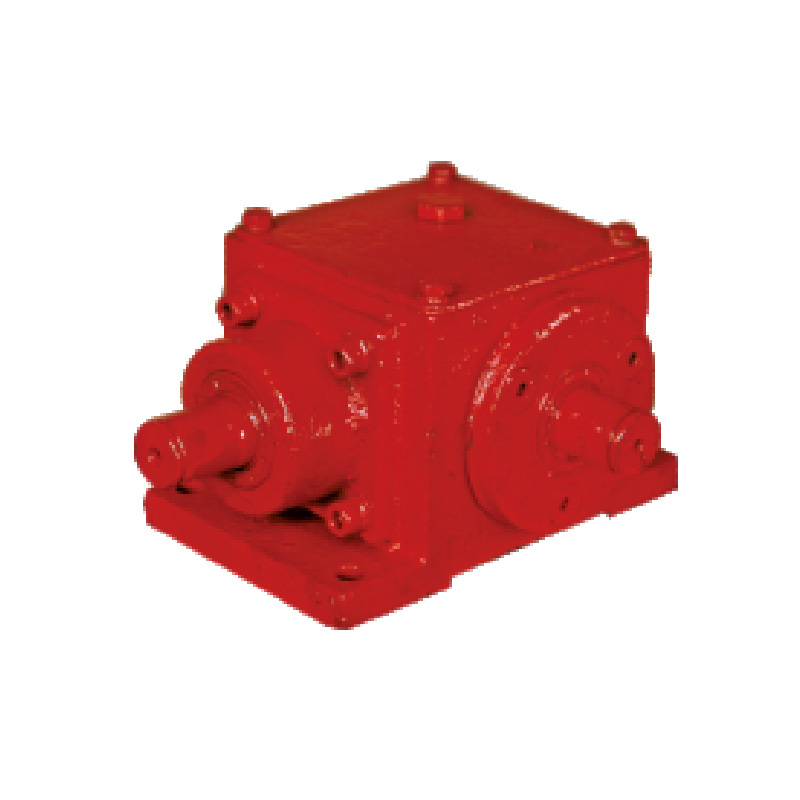
Understanding Gearboxes: The Heart of Industrial Motion
---
Gearboxes are critical components in various industrial applications, designed to transfer power and adjust the speed and torque of machinery. At their core, gearboxes consist of a series of gears that engage with each other to modify the rotational speed and force transmitted from one component to another. Whether in manufacturing, construction, or transportation, the choice of gearbox can si