Welcome to the official website of Renqiu Kaizheng Machinery Parts Factory

language
Unlocking Efficiency: The Crucial Role of Steel Sprocket Wheels in Industrial Machinery
2026-03-25
Unlocking Efficiency: The Crucial Role of Steel Sprocket Wheels in Industrial Machinery
Table of Contents
- 1. Introduction to Steel Sprocket Wheels
- 2. What Are Sprocket Wheels?
- 3. Importance of Steel Sprocket Wheels in Industrial Machinery
- 3.1 Enhanced Efficiency in Operations
- 3.2 Reduction of Wear and Tear
- 3.3 Cost-effectiveness and Longevity
- 4. Design Features of Steel Sprocket Wheels
- 5. Applications of Steel Sprocket Wheels in Various Industries
- 6. Latest Innovations in Steel Sprocket Technology
- 7. Maintaining Steel Sprocket Wheels for Optimal Performance
- 8. Conclusion
- 9. FAQs
1. Introduction to Steel Sprocket Wheels
In the realm of industrial machinery, **steel sprocket wheels** serve as integral components that facilitate efficient power transmission. Understanding their role can unlock new levels of productivity and performance across various sectors. These wheels not only enhance operational efficiency but also contribute to the longevity and reliability of machinery. In this article, we will explore the significance of steel sprocket wheels, their design features, applications, and innovations that are shaping the future of industrial operations.
2. What Are Sprocket Wheels?
Sprocket wheels are toothed components that engage with a chain or belt to transmit power and motion within machinery. Typically made from **high-strength steel**, these wheels are designed to withstand significant loads and stresses while maintaining precise alignment and torque transfer. Their unique design allows them to efficiently convert rotational motion into linear movement, making them essential in a variety of industrial applications.
3. Importance of Steel Sprocket Wheels in Industrial Machinery
Steel sprocket wheels play a pivotal role in enhancing the operational efficiency of machinery. Here are some of the key benefits:
3.1 Enhanced Efficiency in Operations
One of the primary advantages of steel sprocket wheels is their ability to improve the efficiency of power transmission. When properly aligned and maintained, these wheels minimize energy loss during operation, ensuring that machines run smoothly and effectively. This efficiency is crucial in industries where precision and productivity are paramount.
3.2 Reduction of Wear and Tear
Steel sprocket wheels are designed to endure harsh operating conditions, significantly reducing wear and tear on machinery. The robust material and thoughtful engineering of these wheels help distribute loads evenly, which prolongs the lifespan of both the sprocket and associated components. This durability translates to fewer maintenance requirements and reduced downtime, allowing for increased productivity.
3.3 Cost-effectiveness and Longevity
Investing in high-quality steel sprocket wheels can lead to substantial cost savings over time. Their longevity means that companies will spend less on replacements and repairs, making them a cost-effective solution for businesses. Additionally, the increased efficiency and reduced downtime further contribute to overall operational savings, enhancing the return on investment.
4. Design Features of Steel Sprocket Wheels
The design of steel sprocket wheels is crucial for their performance and efficiency. Several key features should be considered:
4.1 Material Properties
The choice of materials is paramount when it comes to the performance of sprocket wheels. High-strength steel offers excellent durability and resistance to deformation under heavy loads. Furthermore, the material can be treated to enhance its hardness and wear resistance, ensuring optimal performance in demanding environments.
4.2 Size and Configuration
Sprocket wheels come in various sizes and configurations to suit different applications. The number of teeth, pitch diameter, and overall dimensions must be carefully selected based on the specific machinery and its operating conditions. Proper sizing ensures that the sprocket engages effectively with the corresponding chain or belt, maximizing efficiency.
5. Applications of Steel Sprocket Wheels in Various Industries
Steel sprocket wheels find their applications across numerous industries, each with its own unique requirements. Here are some of the most common sectors utilizing these essential components:
5.1 Manufacturing
In the manufacturing sector, steel sprocket wheels are commonly used in conveyor systems, assembly lines, and robotic applications. Their ability to efficiently transfer power and motion makes them vital in ensuring smooth operation and productivity in various manufacturing processes.
5.2 Agriculture
Agricultural machinery relies heavily on steel sprocket wheels for efficient operation. Tractors, harvesters, and other equipment use these components to drive various systems, enhancing productivity in farming operations. The durability of steel sprockets is particularly beneficial in the rugged environments typical of agriculture.
5.3 Automotive
The automotive industry employs steel sprocket wheels in various applications, including engine timing systems and automated assembly lines. Their precise engagement and reliability are critical in ensuring the performance and safety of vehicles, making them indispensable in automotive manufacturing and maintenance.
6. Latest Innovations in Steel Sprocket Technology
As industries evolve, so do the technologies surrounding steel sprocket wheels. Recent innovations focus on enhancing performance, reducing weight, and improving manufacturing processes. Some advancements include:
- **Advanced Coatings**: New coating technologies are being developed to enhance wear resistance and reduce friction, thereby improving efficiency.
- **3D Printing**: This technology allows for the rapid prototyping of custom sprocket designs, enabling manufacturers to meet specific customer needs more effectively.
- **Smart Technology**: Integration of sensors and IoT technology into sprocket systems allows for real-time monitoring and predictive maintenance, ultimately enhancing operational efficiency and reducing downtime.
7. Maintaining Steel Sprocket Wheels for Optimal Performance
To ensure that steel sprocket wheels function at their best, proper maintenance is crucial. Regular inspections, lubrication, and alignment checks are essential practices that help prolong the lifespan of these components. Here are some key maintenance tips:
- **Regular Inspections**: Check for signs of wear or damage, such as chipped teeth or misalignment, and address these issues promptly.
- **Lubrication**: Proper lubrication reduces friction and wear, ensuring that sprockets engage smoothly with chains or belts.
- **Alignment Checks**: Ensuring that sprocket wheels are properly aligned with their respective chains or belts prevents undue stress and potential failure.
8. Conclusion
Steel sprocket wheels are fundamental components of industrial machinery, playing a vital role in enhancing efficiency, reducing wear, and ensuring cost-effectiveness. Their design features and applications span multiple industries, from manufacturing to agriculture and automotive sectors. As technology continues to advance, the potential for innovation in sprocket wheel design and functionality remains vast. By investing in high-quality steel sprocket wheels and adhering to proper maintenance practices, businesses can unlock new levels of efficiency and productivity in their operations.
9. FAQs
1. What materials are used to make steel sprocket wheels?
Steel sprocket wheels are primarily made from high-strength steel, which offers durability and resistance to wear. Some may also feature specialized coatings to enhance performance.
2. How do I know if my sprocket wheels need replacement?
Signs that sprocket wheels may need replacement include visible wear, such as chipped or broken teeth, misalignment, or excessive noise during operation.
3. Can I use steel sprocket wheels in outdoor applications?
Yes, steel sprocket wheels can be used in outdoor applications, but it's essential to consider environmental factors and choose materials or coatings that resist corrosion.
4. How often should I maintain my sprocket wheels?
Regular maintenance should be conducted every few months, but the frequency may vary depending on operational conditions. Regular inspections are crucial to identify and address issues promptly.
5. What are the advantages of using steel sprocket wheels over plastic ones?
Steel sprocket wheels provide superior durability, wear resistance, and load-bearing capabilities compared to plastic sprockets, making them more suitable for heavy-duty industrial applications.
Recent News
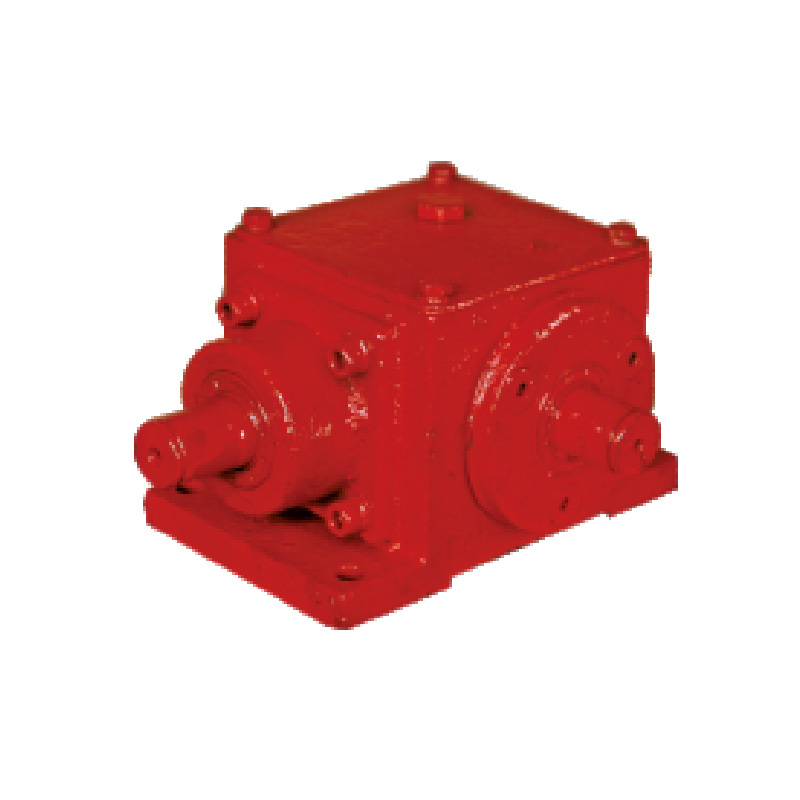
Understanding Gearboxes: The Heart of Industrial Motion
---
Gearboxes are critical components in various industrial applications, designed to transfer power and adjust the speed and torque of machinery. At their core, gearboxes consist of a series of gears that engage with each other to modify the rotational speed and force transmitted from one component to another. Whether in manufacturing, construction, or transportation, the choice of gearbox can si