Welcome to the official website of Renqiu Kaizheng Machinery Parts Factory

language
Understanding Agricultural Equipment Gearboxes: Essential Components for Efficiency
2026-04-07
In the agricultural sector, the importance of robust machinery cannot be overstated, and at the heart of many of these machines lies the agricultural equipment gearbox. This essential component plays a vital role in driving efficiency and performance in various agricultural applications. Understanding the function, types, and maintenance of gearboxes can significantly enhance the reliability of equipment, ultimately contributing to successful farming operations.
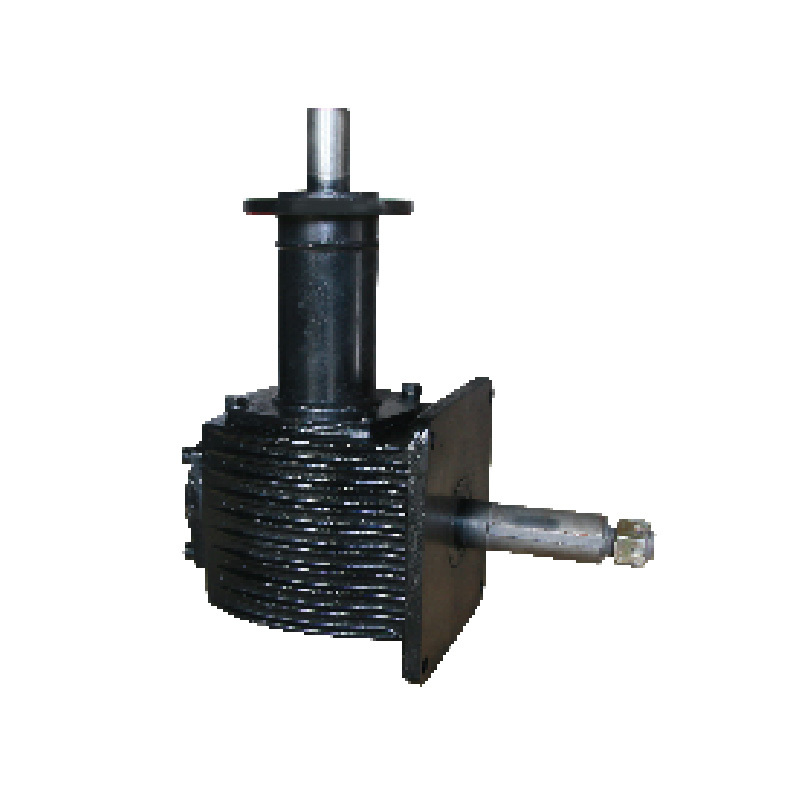
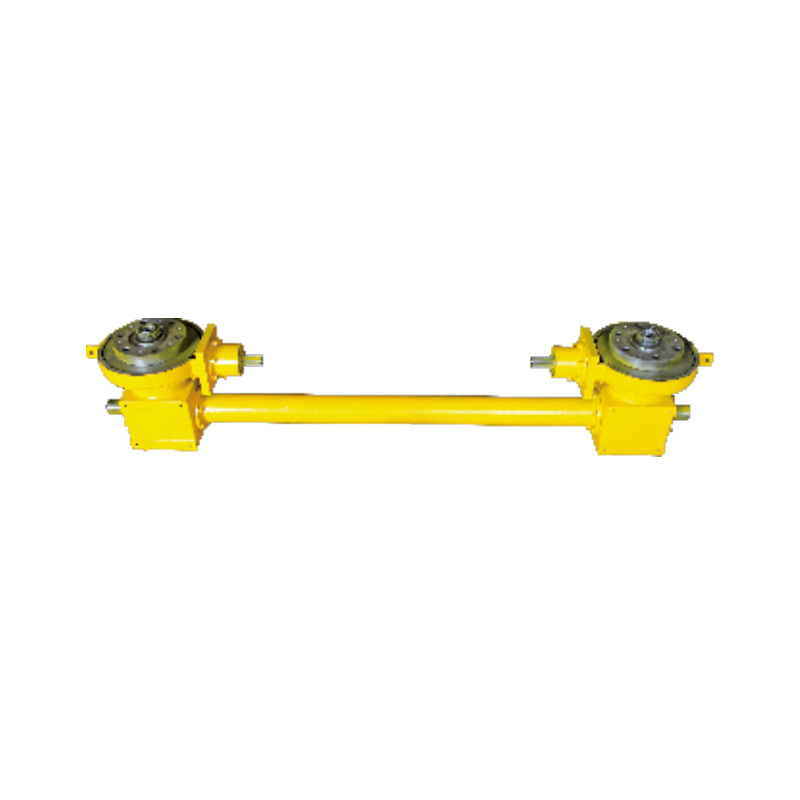
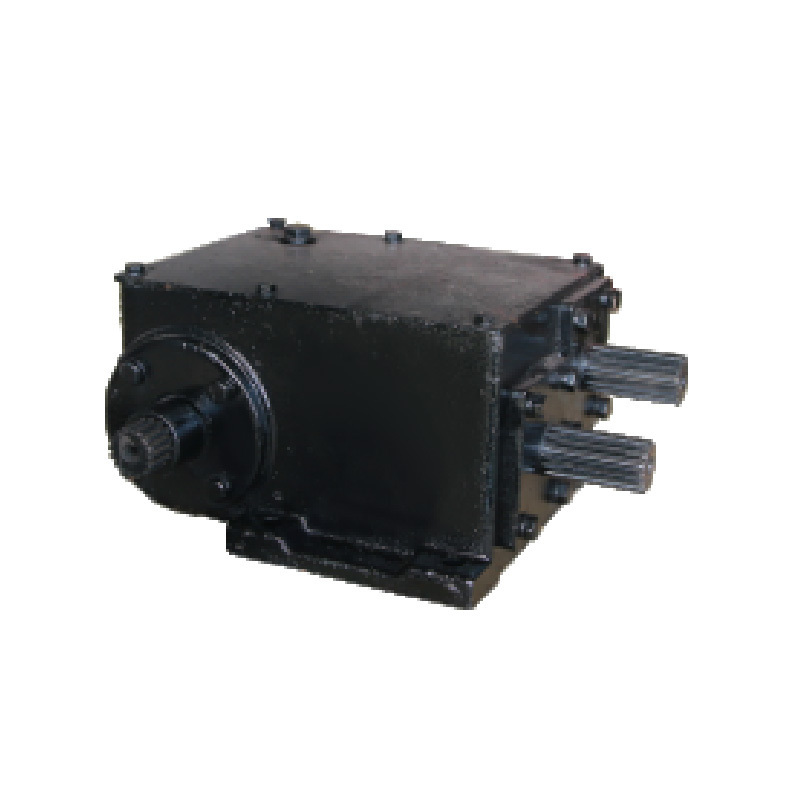
An agricultural equipment gearbox is primarily designed to transmit power from the engine or motor to the working parts of the machinery. This transmission is crucial, as it allows for the conversion of speed and torque, enabling machines to perform effectively in different farming tasks. The gearbox's design varies depending on the specific machinery and its intended use, with common applications found in tractors, harvesters, and tillers.
One of the key functions of an agricultural gearbox is to allow for different speed settings, which are essential for performing various tasks. For instance, when plowing, a lower speed may be required for effective soil penetration, whereas higher speeds may be suitable for transporting goods. This adaptability is what makes gearboxes integral to modern agricultural machinery.
There are several types of agricultural gearboxes, including bevel gearboxes, helical gearboxes, and worm gearboxes, each designed for specific applications. Bevel gearboxes are often used in applications requiring a change in direction, while helical gearboxes provide smooth and efficient power transmission with minimal noise. Worm gearboxes are typically employed in situations where high torque and low speed are necessary. Understanding these types enables industry professionals to select the most suitable gearbox for their needs.
Maintenance of agricultural equipment gearboxes is crucial to ensure longevity and optimal performance. Regular inspections for wear and tear, ensuring proper lubrication, and checking for any signs of leakage can help prevent costly breakdowns. Additionally, keeping the gearbox clean from debris and dirt will further enhance its operational efficiency.
In summary, agricultural equipment gearboxes are a cornerstone of efficient farming operations. Their ability to adapt power transmission to suit various tasks makes them indispensable in modern agriculture. By understanding the different types of gearboxes available and following best maintenance practices, industry professionals can ensure their equipment remains reliable and effective, ultimately leading to increased productivity and success in their agricultural endeavors.
An agricultural equipment gearbox is primarily designed to transmit power from the engine or motor to the working parts of the machinery. This transmission is crucial, as it allows for the conversion of speed and torque, enabling machines to perform effectively in different farming tasks. The gearbox's design varies depending on the specific machinery and its intended use, with common applications found in tractors, harvesters, and tillers.
One of the key functions of an agricultural gearbox is to allow for different speed settings, which are essential for performing various tasks. For instance, when plowing, a lower speed may be required for effective soil penetration, whereas higher speeds may be suitable for transporting goods. This adaptability is what makes gearboxes integral to modern agricultural machinery.
There are several types of agricultural gearboxes, including bevel gearboxes, helical gearboxes, and worm gearboxes, each designed for specific applications. Bevel gearboxes are often used in applications requiring a change in direction, while helical gearboxes provide smooth and efficient power transmission with minimal noise. Worm gearboxes are typically employed in situations where high torque and low speed are necessary. Understanding these types enables industry professionals to select the most suitable gearbox for their needs.
Maintenance of agricultural equipment gearboxes is crucial to ensure longevity and optimal performance. Regular inspections for wear and tear, ensuring proper lubrication, and checking for any signs of leakage can help prevent costly breakdowns. Additionally, keeping the gearbox clean from debris and dirt will further enhance its operational efficiency.
In summary, agricultural equipment gearboxes are a cornerstone of efficient farming operations. Their ability to adapt power transmission to suit various tasks makes them indispensable in modern agriculture. By understanding the different types of gearboxes available and following best maintenance practices, industry professionals can ensure their equipment remains reliable and effective, ultimately leading to increased productivity and success in their agricultural endeavors.
Recent News
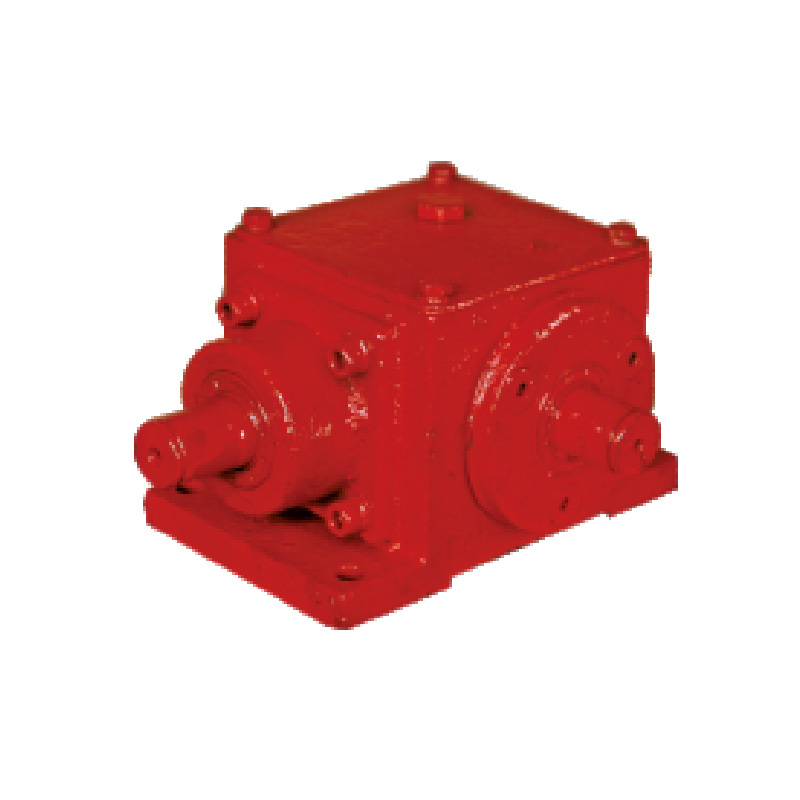
Understanding Gearboxes: The Heart of Industrial Motion
---
Gearboxes are critical components in various industrial applications, designed to transfer power and adjust the speed and torque of machinery. At their core, gearboxes consist of a series of gears that engage with each other to modify the rotational speed and force transmitted from one component to another. Whether in manufacturing, construction, or transportation, the choice of gearbox can si