Welcome to the official website of Renqiu Kaizheng Machinery Parts Factory

language
Understanding Gears: The Backbone of Automotive Transmission Systems
2026-04-11
Gears are fundamental components in the automotive industry, particularly within the transmission systems. They serve as the heart of the power transfer mechanism, enabling vehicles to operate efficiently across various speeds and loads. Understanding the intricacies of gears can significantly enhance your knowledge of vehicle performance and maintenance.
Gears come in various types, each designed to fulfill specific functions. The most common types include spur gears, helical gears, bevel gears, and worm gears. Spur gears are straightforward and commonly used for parallel shaft applications, while helical gears, with their angled teeth, provide smoother and quieter operation. Bevel gears are essential for transferring motion between intersecting shafts, and worm gears offer a high torque ratio in a compact design.
The primary function of gears is to transmit power from the engine to the wheels. This process involves changing the direction of the force and altering the speed and torque to meet the vehicle’s driving requirements. For instance, during acceleration, gears work to provide the necessary torque, enabling the vehicle to gain speed efficiently. Conversely, during deceleration, gears help to reduce speed smoothly.
Another vital aspect of gears is their ability to enhance fuel efficiency. Proper gear selection and functioning allow the engine to operate within its optimal RPM range, which can lead to significant savings in fuel consumption. Regular maintenance checks, including lubrication and wear assessments, can ensure that gears function correctly, extending their lifespan and maintaining overall vehicle performance.
Moreover, the design and material of gears play a critical role in their durability and efficiency. High-quality materials such as steel or specialized alloys are often used to withstand the high stress and wear that gears experience during operation. Additionally, advancements in gear technology, such as the incorporation of synthetic lubricants and improved manufacturing processes, have led to more reliable and efficient gear systems.
In summary, gears are an indispensable part of automotive transmission systems, crucial for effective power transfer, enhanced fuel efficiency, and overall vehicle performance. Understanding the types, functions, and maintenance of gears can empower vehicle owners to make informed decisions regarding their automotive needs, ensuring optimal performance and longevity. Whether you’re a car enthusiast or a casual driver, having a foundational grasp of gears will enrich your appreciation of how vehicles operate.
Gears come in various types, each designed to fulfill specific functions. The most common types include spur gears, helical gears, bevel gears, and worm gears. Spur gears are straightforward and commonly used for parallel shaft applications, while helical gears, with their angled teeth, provide smoother and quieter operation. Bevel gears are essential for transferring motion between intersecting shafts, and worm gears offer a high torque ratio in a compact design.
The primary function of gears is to transmit power from the engine to the wheels. This process involves changing the direction of the force and altering the speed and torque to meet the vehicle’s driving requirements. For instance, during acceleration, gears work to provide the necessary torque, enabling the vehicle to gain speed efficiently. Conversely, during deceleration, gears help to reduce speed smoothly.
Another vital aspect of gears is their ability to enhance fuel efficiency. Proper gear selection and functioning allow the engine to operate within its optimal RPM range, which can lead to significant savings in fuel consumption. Regular maintenance checks, including lubrication and wear assessments, can ensure that gears function correctly, extending their lifespan and maintaining overall vehicle performance.
Moreover, the design and material of gears play a critical role in their durability and efficiency. High-quality materials such as steel or specialized alloys are often used to withstand the high stress and wear that gears experience during operation. Additionally, advancements in gear technology, such as the incorporation of synthetic lubricants and improved manufacturing processes, have led to more reliable and efficient gear systems.
In summary, gears are an indispensable part of automotive transmission systems, crucial for effective power transfer, enhanced fuel efficiency, and overall vehicle performance. Understanding the types, functions, and maintenance of gears can empower vehicle owners to make informed decisions regarding their automotive needs, ensuring optimal performance and longevity. Whether you’re a car enthusiast or a casual driver, having a foundational grasp of gears will enrich your appreciation of how vehicles operate.
Recent News
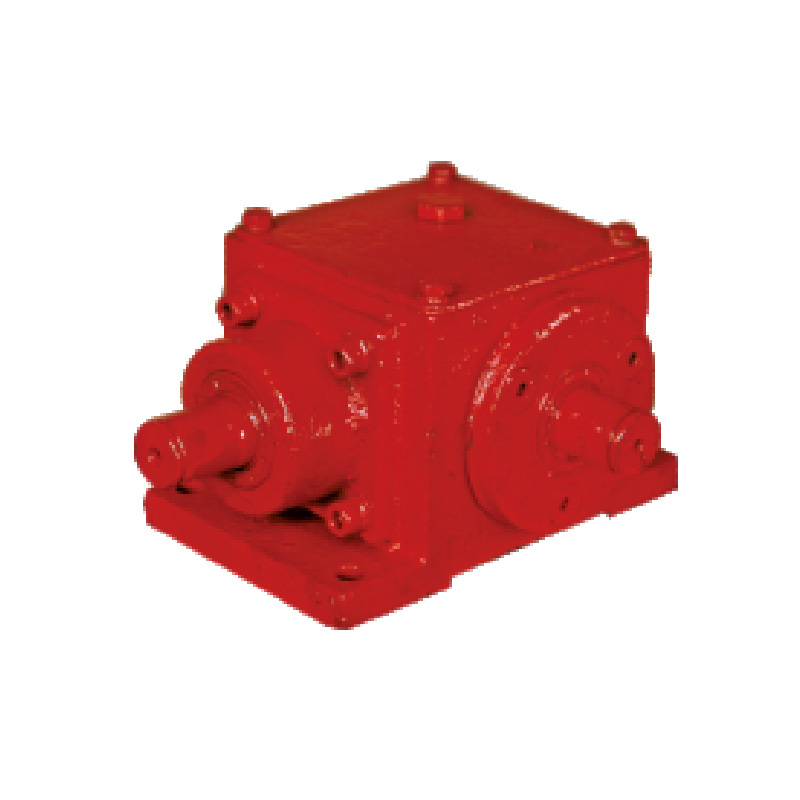
Understanding Gearboxes: The Heart of Industrial Motion
---
Gearboxes are critical components in various industrial applications, designed to transfer power and adjust the speed and torque of machinery. At their core, gearboxes consist of a series of gears that engage with each other to modify the rotational speed and force transmitted from one component to another. Whether in manufacturing, construction, or transportation, the choice of gearbox can si