Welcome to the official website of Renqiu Kaizheng Machinery Parts Factory

language
Understanding Sprocket Wheels for Agricultural Machinery: Essential Insights for Industry Professionals
2026-04-05
Sprocket wheels play a vital role in the operation of agricultural machinery, serving as the mechanical link between the drive system and various operational components. These wheels, typically designed with teeth that interlock with a chain, allow for the transfer of power and motion necessary for the efficient functioning of equipment such as tractors, harvesters, and tillers.
One of the key factors to consider when examining sprocket wheels is their design. The tooth profile, size, and pitch are critical elements that determine how effectively a sprocket interacts with the chain. A well-designed sprocket wheel minimizes wear and tear on both the sprocket and the chain, ensuring a smooth operation. In agricultural applications, where machinery often operates under heavy loads and demanding conditions, selecting the right sprocket wheel becomes crucial for maintaining performance and longevity.
Material selection is another important consideration when dealing with sprocket wheels for agricultural machinery. These components must withstand various environmental factors, including moisture, dirt, and extreme temperatures. Common materials include high-strength steel or specially formulated alloys that provide durability while remaining lightweight enough to facilitate ease of movement and installation. This balance of strength and weight is particularly essential in agricultural settings, where machinery may frequently traverse uneven terrain and endure harsh conditions.
The maintenance of sprocket wheels is equally significant. Regular inspections can identify signs of wear, such as tooth degradation or misalignment, which can lead to premature failure. Implementing a routine maintenance schedule not only extends the lifespan of the sprocket wheels but also enhances overall equipment efficiency. Best practices include keeping the sprocket and chain clean, ensuring proper lubrication, and checking for signs of wear and tension.
Moreover, the size and configuration of sprocket wheels can impact the operational speed and torque of agricultural machinery. Larger sprockets typically offer more torque but may operate at lower speeds, while smaller sprockets provide higher speeds at the cost of reduced torque. Understanding this relationship allows professionals to optimize machinery performance tailored to specific agricultural tasks, whether plowing, cultivating, or harvesting.
In conclusion, sprocket wheels are integral components of agricultural machinery that significantly influence performance and operational efficiency. By understanding their design, material properties, and maintenance needs, industry professionals can make informed choices that enhance the reliability and effectiveness of their equipment. This knowledge is essential for maximizing productivity on the farm, ultimately contributing to the success of agricultural operations.
One of the key factors to consider when examining sprocket wheels is their design. The tooth profile, size, and pitch are critical elements that determine how effectively a sprocket interacts with the chain. A well-designed sprocket wheel minimizes wear and tear on both the sprocket and the chain, ensuring a smooth operation. In agricultural applications, where machinery often operates under heavy loads and demanding conditions, selecting the right sprocket wheel becomes crucial for maintaining performance and longevity.
Material selection is another important consideration when dealing with sprocket wheels for agricultural machinery. These components must withstand various environmental factors, including moisture, dirt, and extreme temperatures. Common materials include high-strength steel or specially formulated alloys that provide durability while remaining lightweight enough to facilitate ease of movement and installation. This balance of strength and weight is particularly essential in agricultural settings, where machinery may frequently traverse uneven terrain and endure harsh conditions.
The maintenance of sprocket wheels is equally significant. Regular inspections can identify signs of wear, such as tooth degradation or misalignment, which can lead to premature failure. Implementing a routine maintenance schedule not only extends the lifespan of the sprocket wheels but also enhances overall equipment efficiency. Best practices include keeping the sprocket and chain clean, ensuring proper lubrication, and checking for signs of wear and tension.
Moreover, the size and configuration of sprocket wheels can impact the operational speed and torque of agricultural machinery. Larger sprockets typically offer more torque but may operate at lower speeds, while smaller sprockets provide higher speeds at the cost of reduced torque. Understanding this relationship allows professionals to optimize machinery performance tailored to specific agricultural tasks, whether plowing, cultivating, or harvesting.
In conclusion, sprocket wheels are integral components of agricultural machinery that significantly influence performance and operational efficiency. By understanding their design, material properties, and maintenance needs, industry professionals can make informed choices that enhance the reliability and effectiveness of their equipment. This knowledge is essential for maximizing productivity on the farm, ultimately contributing to the success of agricultural operations.
Recent News
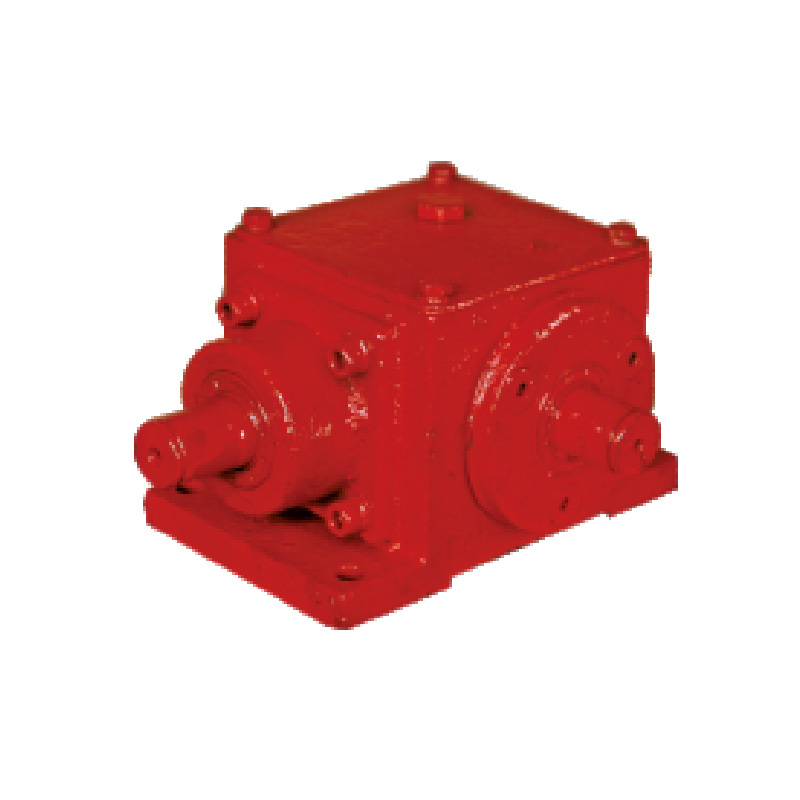
Understanding Gearboxes: The Heart of Industrial Motion
---
Gearboxes are critical components in various industrial applications, designed to transfer power and adjust the speed and torque of machinery. At their core, gearboxes consist of a series of gears that engage with each other to modify the rotational speed and force transmitted from one component to another. Whether in manufacturing, construction, or transportation, the choice of gearbox can si