Welcome to the official website of Renqiu Kaizheng Machinery Parts Factory

language
Understanding the Critical Role of Spline Shafts in Automotive Drivetrains
2026-03-23
Understanding the Critical Role of Spline Shafts in Automotive Drivetrains
Table of Contents
- 1. Introduction to Spline Shafts
- 2. What Are Spline Shafts?
- 3. Importance of Spline Shafts in the Drivetrain
- 4. Design and Types of Spline Shafts
- 5. The Manufacturing Process of Spline Shafts
- 6. Applications of Spline Shafts in Automotive Drivetrains
- 7. Maintenance and Care for Spline Shafts
- 8. The Future of Spline Shafts in Automotive Technology
- 9. Conclusion
- 10. FAQs
1. Introduction to Spline Shafts
In the realm of automotive engineering, understanding the components that contribute to a vehicle's performance is crucial. Among these components, **spline shafts** play a pivotal role in the functionality of drivetrains. As vehicles evolve, so does the technology surrounding these essential elements. This article explores the **design**, **function**, and **importance** of spline shafts in automotive drivetrains, providing a comprehensive overview that caters to both enthusiasts and professionals alike.
2. What Are Spline Shafts?
Spline shafts are mechanical components characterized by their **grooved surface** that allows them to engage with other components. These grooves, or splines, provide a means for the shaft to transmit torque efficiently, making them integral to the operation of various drivetrain systems. In essence, spline shafts facilitate the connection between different parts of the drivetrain, such as the transmission and the wheels, ensuring that power generated by the engine is effectively transmitted.
3. Importance of Spline Shafts in the Drivetrain
The significance of spline shafts cannot be overstated. They serve as the **link** between essential drivetrain components, enabling vehicles to function smoothly and efficiently. Here are some key reasons why spline shafts are vital:
- **Torque Transmission**: Spline shafts robustly transfer torque from the engine to the wheels, ensuring that power delivery is consistent and reliable.
- **Flexibility**: The design of spline shafts allows for a degree of flexibility, accommodating misalignments between components without compromising performance.
- **Durability**: Made from high-strength materials, spline shafts are engineered to withstand significant loads and resist wear, ultimately extending the lifespan of the drivetrain.
4. Design and Types of Spline Shafts
Understanding the design of spline shafts is essential for appreciating their functionality. There are several types, each serving different purposes within automotive applications.
4.1 Internal vs. External Spline Shafts
- **Internal Spline Shafts**: These shafts feature grooves on the inner surface, allowing other components to fit inside. They are commonly found in applications where space is a premium, providing a compact solution for torque transmission.
- **External Spline Shafts**: In contrast, external spline shafts have grooves on the outer surface. These shafts are often utilized in coupling applications and are more visible in vehicle assemblies.
4.2 Straight vs. Helical Spline Shafts
- **Straight Spline Shafts**: Featuring parallel grooves, straight spline shafts are straightforward in design and primarily used in applications with linear torque transfer.
- **Helical Spline Shafts**: These shafts have grooves cut at an angle, promoting smoother engagement and reducing noise during operation. Helical spline shafts are increasingly favored in high-performance applications due to their efficiency.
5. The Manufacturing Process of Spline Shafts
The creation of spline shafts involves several meticulous steps, ensuring that they meet stringent quality and performance standards:
1. **Material Selection**: High-quality steel or alloy materials are chosen for their strength and durability.
2. **Machining**: Precision machining techniques, such as CNC milling, are employed to create the intricate spline patterns.
3. **Heat Treatment**: To enhance the mechanical properties of the shaft, heat treatment processes are applied, improving hardness and resilience.
4. **Quality Control**: Each spline shaft undergoes rigorous testing to ensure it meets industry specifications and tolerances.
6. Applications of Spline Shafts in Automotive Drivetrains
Spline shafts are utilized in various applications within automotive drivetrains, including:
- **Transmission Systems**: Spline shafts connect the gearbox to the driveshaft, enabling torque transfer to the wheels.
- **Differentials**: In multi-axle vehicles, spline shafts facilitate power distribution between wheels, allowing for improved traction and handling.
- **Axles**: Spline shafts are integral to axle assemblies, providing the necessary strength and flexibility for effective power transmission.
7. Maintenance and Care for Spline Shafts
Proper maintenance of spline shafts is essential to ensure their longevity and optimal performance. Here are some maintenance tips:
- **Regular Inspections**: Conduct routine checks for signs of wear, corrosion, or misalignment.
- **Lubrication**: Keep spline shafts adequately lubricated to reduce friction and prevent premature wear.
- **Alignment**: Ensure that all components connected to the spline shaft are properly aligned to avoid unnecessary stress on the shaft.
8. The Future of Spline Shafts in Automotive Technology
As the automotive industry evolves, so too does the technology surrounding spline shafts. Innovations such as advanced materials and manufacturing techniques are expected to enhance performance and efficiency. The future may see the integration of **smart technologies** into spline designs, allowing for real-time monitoring and performance optimization.
9. Conclusion
In conclusion, spline shafts are vital components of automotive drivetrains, playing a crucial role in the transmission of torque and power. Understanding their design, function, and maintenance is essential for anyone involved in automotive engineering or repair. As technology advances, the importance of spline shafts will only grow, making it imperative to stay informed about their evolving role in the industry.
10. FAQs
What is the primary function of a spline shaft?
The primary function of a spline shaft is to transmit torque and power between different components of a drivetrain while allowing for some degree of misalignment.
How do I know if my spline shaft needs replacement?
Signs that a spline shaft may need replacement include unusual noises during operation, excessive wear or damage, and misalignment issues.
Are spline shafts used in all vehicles?
While most modern vehicles utilize spline shafts in their drivetrains, the specific design and application may vary depending on the vehicle type and manufacturer.
What materials are commonly used for manufacturing spline shafts?
Spline shafts are typically made from high-strength steel or alloy materials, chosen for their durability and resistance to wear.
Can spline shafts be repaired?
In some cases, spline shafts can be repaired if they have minor damage or wear. However, severe damage often necessitates a complete replacement to ensure safety and performance.
This comprehensive exploration of spline shafts provides valuable insights into their significance within automotive drivetrains, ensuring readers gain a thorough understanding of their role and importance in modern vehicles.
Recent News
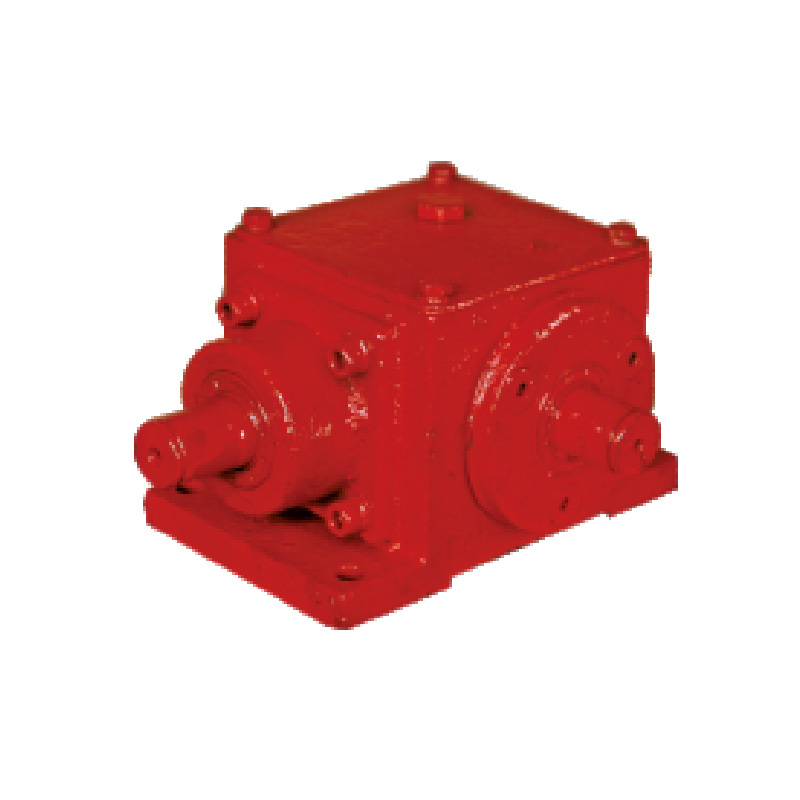
Understanding Gearboxes: The Heart of Industrial Motion
---
Gearboxes are critical components in various industrial applications, designed to transfer power and adjust the speed and torque of machinery. At their core, gearboxes consist of a series of gears that engage with each other to modify the rotational speed and force transmitted from one component to another. Whether in manufacturing, construction, or transportation, the choice of gearbox can si