Welcome to the official website of Renqiu Kaizheng Machinery Parts Factory

language
How Agricultural Gearboxes Influence Machinery Performance Metrics
2026-03-29
How Agricultural Gearboxes Influence Machinery Performance Metrics
Table of Contents
- Introduction to Agricultural Gearboxes
- The Importance of Gearboxes in Agricultural Machinery
- Understanding the Mechanics of Agricultural Gearboxes
- Types of Agricultural Gearboxes and Their Applications
- Key Performance Metrics Influenced by Gearboxes
- Optimizing Machinery Performance through Gearbox Selection
- Maintenance and Reliability of Agricultural Gearboxes
- Future Trends in Agricultural Gearbox Technology
- FAQs About Agricultural Gearboxes
- Conclusion
Introduction to Agricultural Gearboxes
Agricultural gearboxes serve as the backbone of many machinery systems used in farming and agricultural applications. These mechanical devices are essential for transforming and transmitting power from the engine to various components of the machinery, significantly influencing the overall performance metrics. Understanding how these gearboxes function and the various types available can help you make informed decisions that will enhance agricultural operations.
The Importance of Gearboxes in Agricultural Machinery
In agricultural applications, gearboxes are crucial for multiple reasons. They not only facilitate the conversion of engine power into usable torque for machinery but also enhance operational efficiency. By optimizing speed and torque, agricultural gearboxes contribute to better fuel economy and reduced operational downtime. This is particularly important in modern farming, where efficiency directly correlates with productivity and profitability.
Enhancing Operational Efficiency
The primary function of an agricultural gearbox is to ensure that machinery operates at its most efficient. When machinery runs efficiently, it consumes less fuel while providing the same level of output. This translates into cost savings and increased operational capacity, allowing farmers to maximize their productivity.
Reducing Wear and Tear on Machinery
Agricultural gearboxes are designed to handle varying loads and speeds, which minimizes the stress on the machinery itself. By providing a buffer between the engine and the working components, gearboxes help reduce wear and tear. This, in turn, leads to longer equipment lifespans and fewer maintenance issues, allowing for uninterrupted operations.
Understanding the Mechanics of Agricultural Gearboxes
The mechanics of agricultural gearboxes can be complex but are essential to comprehend for optimizing machinery performance. Gearboxes typically consist of gears, shafts, and housing components that work together to transmit power effectively.
How Gear Ratios Affect Performance
Gear ratios play a pivotal role in how agricultural gearboxes function. A higher gear ratio means more torque but less speed, while a lower ratio offers higher speeds at the expense of torque. Choosing the right gear ratio is critical for matching the needs of specific agricultural tasks, such as plowing, tilling, or harvesting.
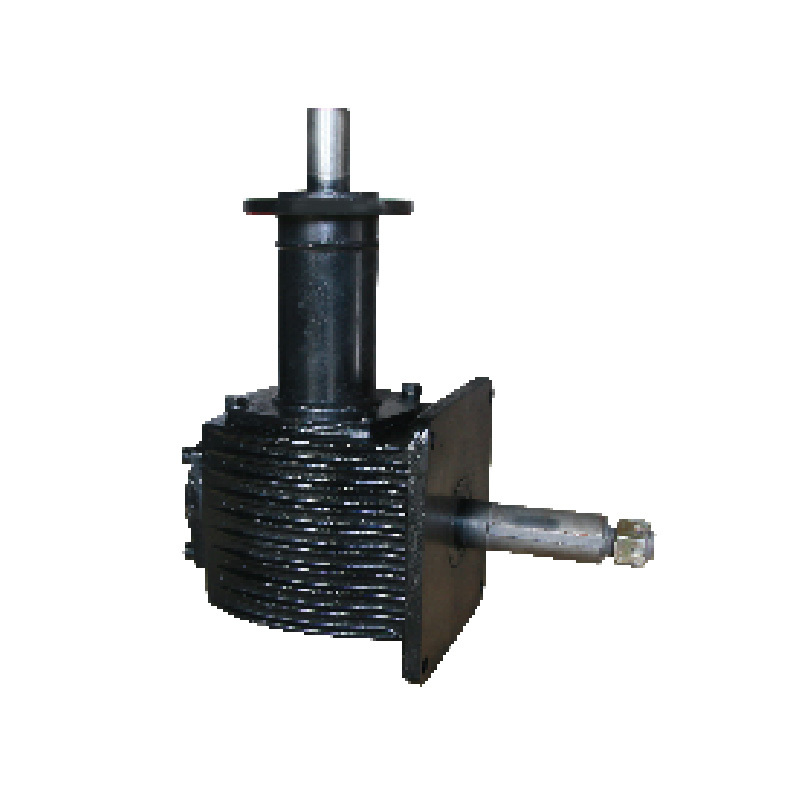
Components of Agricultural Gearboxes
Agricultural gearboxes consist of key components, including:
- **Input Shaft**: Connects to the engine and receives power.
- **Gear Set**: Converts the speed and torque.
- **Output Shaft**: Delivers power to the machinery.
- **Housing**: Protects internal components and contains lubricants.
Understanding these components helps in selecting the right gearbox for specific farming needs.
Types of Agricultural Gearboxes and Their Applications
There are several types of agricultural gearboxes, each designed for specific applications. Understanding these types can help farmers choose the most suitable gearbox for their machinery.
Spur Gearboxes
Spur gearboxes are commonly used in agricultural machinery due to their simplicity and efficiency. They are ideal for tasks requiring high torque at low speeds, such as tilling and plowing.
Bevel Gearboxes
Bevel gearboxes are designed to transmit power at right angles, making them suitable for machinery that requires directional changes in power transmission. They are often used in harvesting machines.
Planetary Gearboxes
Planetary gearboxes are known for their compact design and high load capacity. They are advantageous in applications requiring high torque and speed, such as seed drills and conveyor systems.
Worm Gearboxes
Worm gearboxes provide high reduction ratios and are commonly used in applications where space is limited. They offer excellent torque multiplication, making them useful for specific agricultural machinery.
Key Performance Metrics Influenced by Gearboxes
Agricultural gearboxes significantly impact various performance metrics, which can reflect the effectiveness of farming operations.
Fuel Efficiency
One of the most critical metrics affected by agricultural gearboxes is fuel efficiency. The right gearbox can optimize engine performance, ensuring that machinery uses fuel more effectively, leading to reduced operational costs.
Operational Speed
Operational speed is another key metric influenced by gear ratios in agricultural gearboxes. By selecting the appropriate gearbox, farmers can achieve the ideal speed for different tasks, enhancing productivity and efficiency.
Power Output
The overall power output of the machinery is also dependent on the gearbox. A well-matched gearbox ensures that the engine's power is effectively transmitted to the working components, maximizing output.
Optimizing Machinery Performance through Gearbox Selection
Choosing the right gearbox involves assessing various factors that can influence performance. Here are some considerations to keep in mind:
Matching Gearbox to Task Requirements
Different agricultural tasks require different performance metrics. When selecting a gearbox, consider the specific needs of the tasks to ensure optimal performance. For instance, tasks requiring high torque should use gearboxes designed for that purpose.
Evaluating Gearbox Materials
The material of the gearbox can impact performance and durability. High-quality materials will provide better resistance to wear and tear, leading to improved reliability and longer service life.
Considering Size and Weight
The size and weight of the gearbox also play a critical role in overall machinery performance. A lighter gearbox can enhance maneuverability, while a more robust design may offer better performance in heavy-duty applications.
Maintenance and Reliability of Agricultural Gearboxes
Regular maintenance of agricultural gearboxes is essential to ensuring long-term reliability and performance. Neglecting maintenance can lead to decreased efficiency and increased downtime.
Regular Inspections
Conducting regular inspections can help identify potential issues before they escalate. Check for signs of wear, leaks, or unusual noises that may indicate a problem.
Lubrication Practices
Proper lubrication is critical for gearbox performance. Ensure that the gearbox is adequately lubricated to minimize friction and wear on components. Follow the manufacturer's recommendations for lubricant types and intervals.
Replacement of Worn Parts
Over time, components within the gearbox will wear out. Replacing worn parts promptly can prevent more significant issues from developing, ensuring consistent performance.
Future Trends in Agricultural Gearbox Technology
As technology continues to evolve, so too does the design and functionality of agricultural gearboxes. Here are some emerging trends to watch for:
Integration of Smart Technology
Smart technology is increasingly being integrated into agricultural gearboxes. This includes sensors that monitor performance metrics in real-time, allowing for immediate adjustments and maintenance alerts.
Focus on Sustainability
With the growing emphasis on sustainable farming practices, future agricultural gearboxes are likely to prioritize energy efficiency and eco-friendly materials.
Advanced Materials and Design Innovations
Advancements in materials science are leading to stronger, lighter, and more efficient gearboxes. Innovations in design can also improve performance and reliability, further enhancing agricultural productivity.
FAQs About Agricultural Gearboxes
1. What is the primary function of an agricultural gearbox?
The primary function of an agricultural gearbox is to transmit and transform engine power into usable torque for various machinery applications.
2. How do gear ratios influence machinery performance?
Gear ratios determine the balance between speed and torque, impacting how effectively the machinery performs specific tasks.
3. What are the most common types of agricultural gearboxes?
The most common types include spur, bevel, planetary, and worm gearboxes, each designed for specific applications.
4. How can I ensure the longevity of my agricultural gearbox?
Regular inspections, proper lubrication, and timely replacement of worn parts can help ensure the longevity of your gearbox.
5. What trends can we expect in agricultural gearbox technology?
Future trends include the integration of smart technology, a focus on sustainability, and advancements in materials and design.
Conclusion
Agricultural gearboxes are essential components that significantly influence machinery performance metrics. Understanding how they work, their types, and the impact of gear ratios can help farmers make informed decisions that enhance efficiency and productivity. By prioritizing proper selection, maintenance, and staying abreast of technological advancements, agricultural operations can achieve optimal performance and long-term success. Embracing the right gearbox technology today will undoubtedly pave the way for a more efficient agricultural future.
Recent News
Understanding Gearboxes: The Heart of Industrial Motion
---
Gearboxes are critical components in various industrial applications, designed to transfer power and adjust the speed and torque of machinery. At their core, gearboxes consist of a series of gears that engage with each other to modify the rotational speed and force transmitted from one component to another. Whether in manufacturing, construction, or transportation, the choice of gearbox can si