Welcome to the official website of Renqiu Kaizheng Machinery Parts Factory

language
Exploring Different Types of Spline Shafts and Their Applications
2026-04-22
Exploring Different Types of Spline Shafts and Their Applications
Table of Contents
- Introduction to Spline Shafts
- What Are Spline Shafts?
- Types of Spline Shafts
- Straight Spline Shafts
- Helical Spline Shafts
- Tapered Spline Shafts
- Internal vs. External Spline Shafts
- Applications of Spline Shafts
- In the Automotive Industry
- In the Aerospace Industry
- In Industrial Machinery
- In Robotics and Automation
- Benefits of Using Spline Shafts
- Challenges and Considerations
- Frequently Asked Questions
- Conclusion
Introduction to Spline Shafts
Spline shafts are crucial components used in various mechanical systems. They allow two components to be connected while transmitting torque and motion. By providing a precise fit between the shaft and the mating component, spline shafts enhance performance, durability, and efficiency in numerous applications. As we explore the different types of spline shafts and their applications, we’ll uncover their significance in various industries and how they contribute to overall mechanical engineering.
What Are Spline Shafts?
Spline shafts are cylindrical shafts featuring a series of ridges or grooves along their length. These grooves, known as splines, enable the shaft to connect securely to other mechanical components, such as gears or couplings. The design of spline shafts allows for great torque transmission while accommodating axial movement. This flexibility makes them essential in applications requiring robust, reliable power transmission.
Types of Spline Shafts
Understanding the different types of spline shafts is vital to selecting the right one for specific applications. Here we delve into the various types, detailing their unique characteristics and use cases.
Straight Spline Shafts
Straight spline shafts feature parallel grooves running along the shaft's length. They are primarily used in applications that require simple rotational motion transmission. The design allows for easy alignment and assembly, making them common in automotive and industrial machinery.
Helical Spline Shafts
Helical spline shafts have grooves that are angled rather than parallel. This design helps distribute the load more evenly, reducing stress on individual splines and enhancing torque transmission efficiency. Helical splines are commonly used in applications involving high-speed rotation and significant load-bearing, such as in automotive differentials.
Tapered Spline Shafts
Tapered spline shafts have a gradual reduction in diameter along their length. This design allows for self-centering and can accommodate variations in alignment. Tapered splines are often found in applications requiring precise engagement and disengagement, such as in power take-off systems in agricultural machinery.
Internal vs. External Spline Shafts
Spline shafts can also be categorized into internal and external types. Internal spline shafts have the splines located inside a hollow shaft, while external spline shafts feature splines on the outside of a solid shaft. The choice between internal and external splines often depends on the specific requirements of the application, including space constraints and load-bearing characteristics.
Applications of Spline Shafts
Spline shafts find applications across various industries. Their versatility and reliability make them indispensable in many mechanical systems. Below, we explore some of the primary industries utilizing spline shafts.
In the Automotive Industry
In the automotive sector, spline shafts are essential for various functions, including power transmission in drivetrain components. They facilitate the connection between gears, axles, and driveshafts, ensuring smooth operation and enhanced vehicle performance. Spline shafts also play a crucial role in automated transmission systems, where precise control of torque and speed is required.
In the Aerospace Industry
The aerospace industry relies heavily on spline shafts for their lightweight and durable characteristics. They are used in control systems, landing gear mechanisms, and propulsion systems. The ability of spline shafts to handle high torque and provide reliable connections under extreme conditions makes them ideal for aerospace applications, where safety and performance are paramount.
In Industrial Machinery
Spline shafts are widely used in industrial machinery, including conveyors, lathes, and milling machines. They facilitate efficient power transfer and motion control in these systems. The robustness and precision of spline shafts contribute to the overall efficiency and productivity of industrial operations, making them crucial components in manufacturing processes.
In Robotics and Automation
In the rapidly growing field of robotics, spline shafts are used to connect motors to various mechanical appendages. They allow for precise motion control and enhance the operational capabilities of robotic systems. The flexibility and reliability of spline shafts make them vital in designing robotic arms, automated systems, and other high-precision applications.
Benefits of Using Spline Shafts
The use of spline shafts offers numerous advantages in mechanical applications. Some of the key benefits include:
- **Enhanced Torque Transmission**: Spline shafts provide superior torque transfer, making them ideal for high-performance applications.
- **Flexibility in Design**: The ability to accommodate axial movement allows for greater design flexibility in mechanical systems.
- **Durability and Longevity**: Spline shafts are designed to withstand significant loads and wear, contributing to the longevity of the systems in which they are used.
- **Ease of Assembly**: Their straightforward design allows for easy installation and maintenance, reducing downtime in industrial settings.
Challenges and Considerations
While spline shafts offer numerous benefits, there are also challenges and considerations to keep in mind. Proper alignment during installation is crucial to prevent premature wear and failure. Additionally, selecting the right material and design based on the application's specific load requirements is essential to ensure optimal performance.
Frequently Asked Questions
1. What is the primary function of spline shafts?
Spline shafts primarily serve to transmit torque and motion between connected components while allowing for axial movement.
2. How do I choose the right type of spline shaft?
Choosing the right type depends on your application’s specific requirements, including load capacity, available space, and the need for axial movement.
3. Are spline shafts easy to maintain?
Yes, spline shafts are generally easy to maintain due to their straightforward design. Regular inspections and lubrication can enhance their performance and longevity.
4. Can spline shafts handle high-speed applications?
Yes, certain types of spline shafts, particularly helical spline shafts, are designed to work efficiently in high-speed applications.
5. What materials are commonly used in manufacturing spline shafts?
Spline shafts are typically made from high-strength materials such as steel, aluminum, or composite materials, depending on the application’s demands.
Conclusion
In summary, spline shafts are integral components in various mechanical systems across multiple industries. Whether in automotive, aerospace, industrial machinery, or robotics, their unique design facilitates efficient torque transmission and motion control. Understanding the different types of spline shafts and their applications helps in selecting the right component for specific needs. As technology advances, the role of spline shafts will continue to evolve, ensuring they remain essential in modern engineering solutions.
Recent News
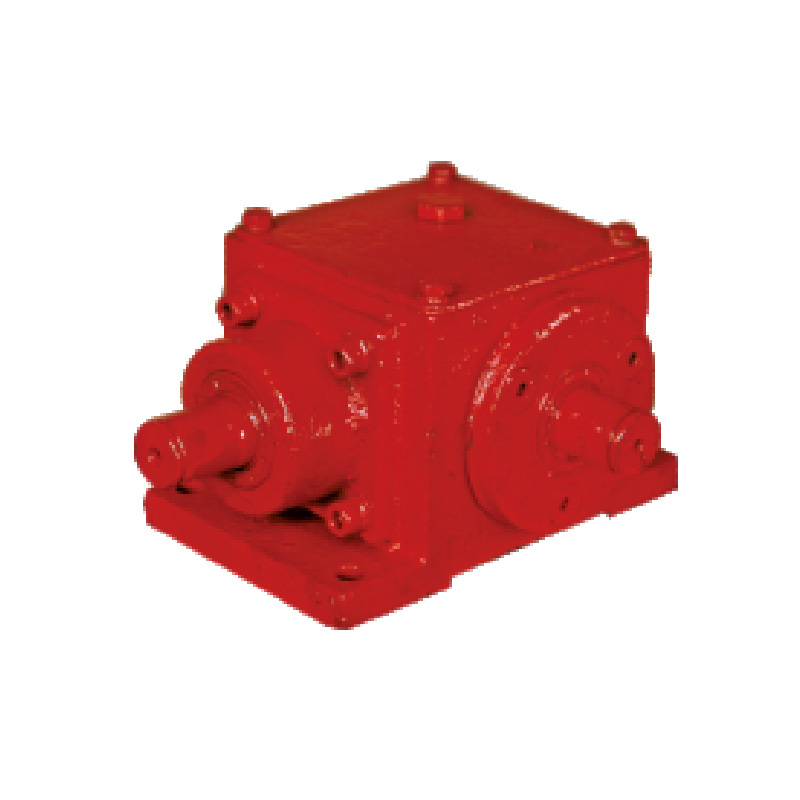
Understanding Gearboxes: The Heart of Industrial Motion
---
Gearboxes are critical components in various industrial applications, designed to transfer power and adjust the speed and torque of machinery. At their core, gearboxes consist of a series of gears that engage with each other to modify the rotational speed and force transmitted from one component to another. Whether in manufacturing, construction, or transportation, the choice of gearbox can si