Welcome to the official website of Renqiu Kaizheng Machinery Parts Factory

language
How Spline Shafts Enhance Gear Performance in Vehicles
2026-04-02
How Spline Shafts Enhance Gear Performance in Vehicles
Table of Contents
- 1. Introduction to Spline Shafts
- 2. What Are Spline Shafts?
- 3. The Importance of Spline Shafts in Gear Systems
- 4. Understanding the Mechanics of Spline Shafts
- 5. Key Benefits of Using Spline Shafts in Vehicles
- 6. Applications of Spline Shafts in Automotive Engineering
- 7. Maintaining Spline Shafts for Optimal Performance
- 8. The Future of Spline Shafts in Automotive Technology
- 9. Frequently Asked Questions
- 10. Conclusion
1. Introduction to Spline Shafts
In the world of automotive engineering, **spline shafts** play a vital role in transmitting torque between different components of a vehicle's drivetrain. Understanding their function and importance can significantly enhance our appreciation of modern vehicle performance. This article delves deeply into the mechanics and advantages of spline shafts, showcasing their critical contribution to gear performance in vehicles.
2. What Are Spline Shafts?
Spline shafts are cylindrical rods featuring longitudinal grooves or splines along their length. These grooves enable the shafts to interlock with corresponding splines on other components, such as gears, allowing for efficient torque transfer. Spline shafts come in various types, including **straight**, **helical**, and **internal** splines, each with distinct applications based on the requirements of the vehicle's drivetrain.
2.1 Types of Spline Shafts
- **Straight Spline Shafts**: These shafts feature uniform grooves and are common in applications where torque is transmitted without the need for axial movement.
- **Helical Spline Shafts**: Designed with angled grooves, helical splines are better suited for high-torque applications, minimizing slippage and increasing torque capacity.
- **Internal Spline Shafts**: Found within other components, internal spline shafts are essential in creating compact designs while ensuring robust torque transmission.
3. The Importance of Spline Shafts in Gear Systems
Spline shafts serve as critical components in gear systems, ensuring seamless power transfer while maintaining alignment between gears. Their design allows for **flexibility** in assembly and disassembly, making maintenance and repairs more straightforward. In addition, spline shafts help distribute load evenly across the gear system, reducing wear and enhancing durability.
4. Understanding the Mechanics of Spline Shafts
The mechanics of spline shafts can be complex, yet they boil down to a few key principles. When a spline shaft engages with a gear, the interlocking splines create a frictional fit that prevents relative rotation between the two components. This connection allows torque to be transmitted effectively without slippage.
4.1 Torque Transmission
Torque transmission is the primary function of spline shafts. The design of the splines affects how much torque the shaft can handle before failure. Various factors, including the material properties, spline geometry, and surface finish, play a significant role in determining the performance characteristics of spline shafts.
4.2 Load Distribution
One of the key advantages of spline shafts is their ability to distribute loads evenly across the gear system. This load distribution minimizes localized stress, which can lead to premature wear or failure of components.
5. Key Benefits of Using Spline Shafts in Vehicles
The utilization of spline shafts in vehicle designs offers numerous benefits that enhance overall performance and reliability.
5.1 Improved Torque Transfer
Spline shafts facilitate superior torque transfer between components, ensuring that the vehicle's engine power is efficiently converted into motion. This efficiency is crucial for performance-oriented vehicles where every ounce of power matters.
5.2 Enhanced Durability
The interlocking design of spline shafts promotes even wear, significantly extending the lifespan of both the shafts and the gears they connect. This durability translates into lower maintenance costs and less frequent repairs.
5.3 Flexibility in Design
Spline shafts allow engineers to create compact and lightweight designs without sacrificing performance. This flexibility is especially important in modern automotive design, where reducing weight can lead to better fuel efficiency.
5.4 Simplified Maintenance
The ability to easily disconnect and reconnect components via spline shafts simplifies maintenance tasks. This ease of access is a considerable advantage for automotive technicians and enhances the overall serviceability of vehicles.
6. Applications of Spline Shafts in Automotive Engineering
Spline shafts are employed in various automotive applications, showcasing their versatility and importance.
6.1 Transmission Systems
In vehicle transmission systems, spline shafts connect the gearbox to the driveshaft, enabling efficient power transfer. Their ability to handle high torque loads makes them ideal for performance and heavy-duty vehicles.
6.2 Differential Gear Systems
Differentials utilize spline shafts to manage torque distribution between wheels. This is particularly important in vehicles that require enhanced traction, such as off-road vehicles.
6.3 Drive Shafts
Drive shafts often incorporate spline connections to accommodate movement between the vehicle's body and the wheels. This design is essential for maintaining alignment while allowing for suspension movement.
7. Maintaining Spline Shafts for Optimal Performance
Proper maintenance of spline shafts is critical for ensuring their longevity and optimal performance.
7.1 Regular Inspections
Conducting regular inspections of spline shafts can help identify wear and tear before it leads to failure. Look for signs of corrosion, pitting, or deformation.
7.2 Lubrication
Adequate lubrication is essential for minimizing friction and wear on spline shafts. Use high-quality lubricants recommended by manufacturers to ensure seamless operation.
7.3 Environmental Considerations
Protecting spline shafts from harsh environmental conditions can enhance their lifespan. Consider using protective coatings or guards to shield them from moisture and debris.
8. The Future of Spline Shafts in Automotive Technology
As automotive technology evolves, so too will the design and application of spline shafts. Innovations in materials and manufacturing processes hold the promise of even greater performance enhancements. Lightweight materials like carbon fiber and advanced alloys may soon replace traditional steel, providing better strength-to-weight ratios and improved wear resistance.
9. Frequently Asked Questions
9.1 What materials are spline shafts typically made from?
Spline shafts are commonly made from steel, aluminum, or composite materials, each offering distinct advantages based on the application and performance requirements.
9.2 How do spline shafts differ from keyed shafts?
Unlike keyed shafts, which use a single key to transmit torque, spline shafts feature multiple grooves that provide a more significant surface area for torque transfer, reducing the risk of slippage.
9.3 Can spline shafts fail? If so, what are the common causes?
Yes, spline shafts can fail due to excessive torque, inadequate lubrication, or material fatigue. Regular maintenance and inspections can help prevent such failures.
9.4 Are spline shafts used in electric vehicles?
Absolutely! Spline shafts are essential in electric vehicles as they help manage the high torque generated by electric motors.
9.5 How can I tell if my vehicle's spline shafts need replacement?
Signs that spline shafts may need replacement include unusual noises, vibrations, or difficulty in shifting gears. Regular inspections can help catch these issues early.
10. Conclusion
Spline shafts are more than just mechanical components; they are integral to modern vehicle performance and efficiency. Their ability to enhance torque transmission, improve durability, and simplify maintenance makes them invaluable in automotive engineering. As technology progresses, the role of spline shafts will continue to evolve, paving the way for innovations that will further optimize vehicle performance. Understanding and maintaining these components is essential for any vehicle owner or automotive professional looking to maximize their vehicle's capabilities.
Previous:
Recent News
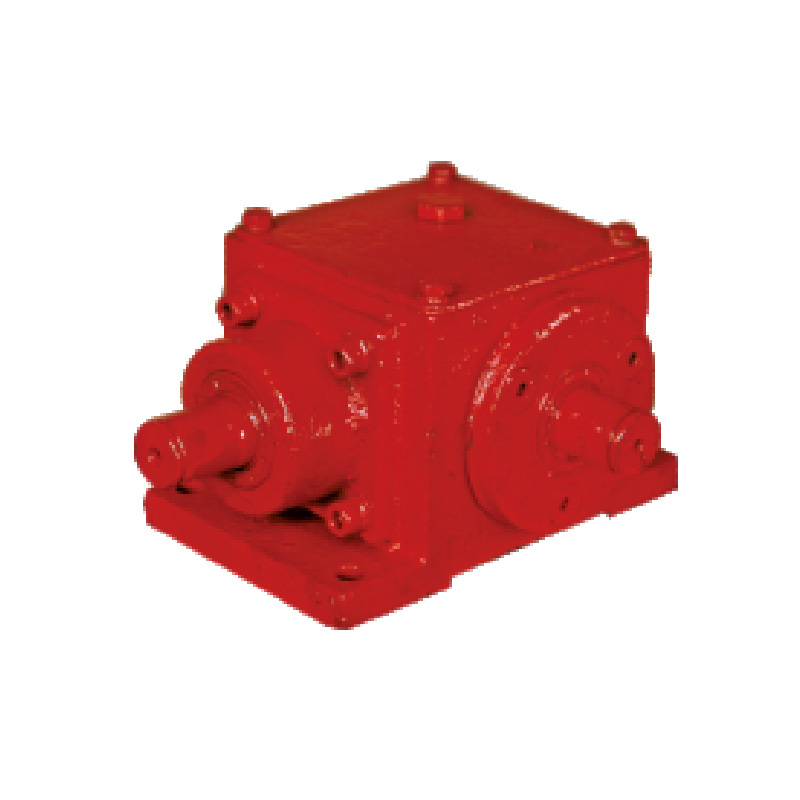
Understanding Gearboxes: The Heart of Industrial Motion
---
Gearboxes are critical components in various industrial applications, designed to transfer power and adjust the speed and torque of machinery. At their core, gearboxes consist of a series of gears that engage with each other to modify the rotational speed and force transmitted from one component to another. Whether in manufacturing, construction, or transportation, the choice of gearbox can si