Welcome to the official website of Renqiu Kaizheng Machinery Parts Factory

language
Understanding Gearboxes: Essential Components in Industrial Equipment
2026-05-13
Gearboxes are mechanical devices designed to alter the output speed and torque of a motor. They serve as a vital component across various industrial applications, facilitating the effective transmission of power from one part of a machine to another. Understanding the different types of gearboxes and their functionalities is essential for optimizing performance and ensuring durability in industrial operations.
One of the primary functions of a gearbox is to reduce the speed of the input shaft while increasing the torque output. This is particularly important in applications where heavy loads must be moved or lifted, such as in manufacturing equipment, conveyor systems, and construction machinery. By selecting the appropriate gearbox, engineers can ensure that the machinery operates within optimal parameters, thereby enhancing productivity and extending equipment lifespan.
There are several types of gearboxes commonly used in industrial settings, including bevel gearboxes, worm gearboxes, helical gearboxes, and planetary gearboxes. Each type has its unique characteristics and advantages. For instance, bevel gearboxes are ideal for applications requiring right-angle drives, while worm gearboxes are known for their ability to provide high-speed reduction in a compact design. Helical gearboxes offer smooth and quiet operation, making them suitable for a variety of applications, whereas planetary gearboxes are renowned for their high torque capacity and efficiency.
In addition to the type of gearbox, other factors such as gear ratio, efficiency, and load capacity must be considered during the selection process. The gear ratio, which is the ratio of the output speed to the input speed, directly affects the performance of the gearbox. A higher gear ratio results in more torque being transmitted but at a lower speed, while a lower gear ratio allows for higher speeds with reduced torque.
Proper maintenance of gearboxes is also essential for ensuring longevity and optimal performance. Regular inspections can help identify wear and tear, while timely lubrication can minimize friction and heat generation. Additionally, monitoring operating temperatures and vibration levels can provide early warnings of potential issues, allowing for preventative measures to be taken.
In conclusion, gearboxes are indispensable components in industrial equipment, essential for effective power transmission and torque modulation. Understanding their types, functionalities, and maintenance requirements is crucial for professionals in the field. By making informed decisions regarding gearbox selection and upkeep, businesses can improve operational efficiency and minimize downtime, ultimately leading to greater productivity and profitability.
One of the primary functions of a gearbox is to reduce the speed of the input shaft while increasing the torque output. This is particularly important in applications where heavy loads must be moved or lifted, such as in manufacturing equipment, conveyor systems, and construction machinery. By selecting the appropriate gearbox, engineers can ensure that the machinery operates within optimal parameters, thereby enhancing productivity and extending equipment lifespan.
There are several types of gearboxes commonly used in industrial settings, including bevel gearboxes, worm gearboxes, helical gearboxes, and planetary gearboxes. Each type has its unique characteristics and advantages. For instance, bevel gearboxes are ideal for applications requiring right-angle drives, while worm gearboxes are known for their ability to provide high-speed reduction in a compact design. Helical gearboxes offer smooth and quiet operation, making them suitable for a variety of applications, whereas planetary gearboxes are renowned for their high torque capacity and efficiency.
In addition to the type of gearbox, other factors such as gear ratio, efficiency, and load capacity must be considered during the selection process. The gear ratio, which is the ratio of the output speed to the input speed, directly affects the performance of the gearbox. A higher gear ratio results in more torque being transmitted but at a lower speed, while a lower gear ratio allows for higher speeds with reduced torque.
Proper maintenance of gearboxes is also essential for ensuring longevity and optimal performance. Regular inspections can help identify wear and tear, while timely lubrication can minimize friction and heat generation. Additionally, monitoring operating temperatures and vibration levels can provide early warnings of potential issues, allowing for preventative measures to be taken.
In conclusion, gearboxes are indispensable components in industrial equipment, essential for effective power transmission and torque modulation. Understanding their types, functionalities, and maintenance requirements is crucial for professionals in the field. By making informed decisions regarding gearbox selection and upkeep, businesses can improve operational efficiency and minimize downtime, ultimately leading to greater productivity and profitability.
Previous:
Recent News
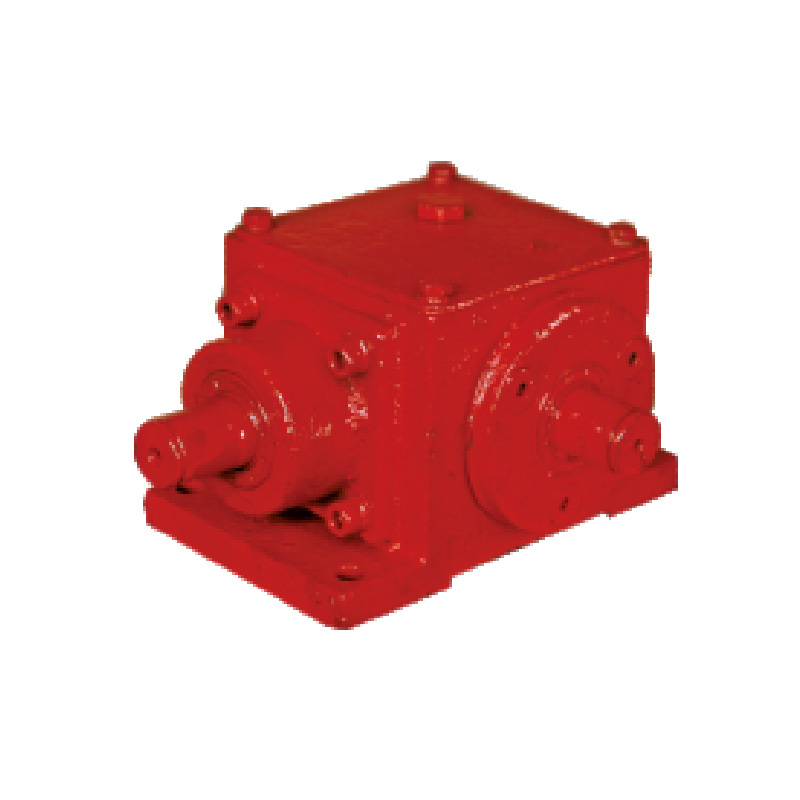
Understanding Gearboxes: The Heart of Industrial Motion
---
Gearboxes are critical components in various industrial applications, designed to transfer power and adjust the speed and torque of machinery. At their core, gearboxes consist of a series of gears that engage with each other to modify the rotational speed and force transmitted from one component to another. Whether in manufacturing, construction, or transportation, the choice of gearbox can si