Welcome to the official website of Renqiu Kaizheng Machinery Parts Factory

language
The Benefits of Using Steel Sprocket Wheels in Conveyor Systems
2026-04-24
The Benefits of Using Steel Sprocket Wheels in Conveyor Systems
Introduction: Understanding the Role of Sprocket Wheels in Conveyor Systems
In the world of industrial manufacturing and logistics, conveyor systems serve as the backbone of efficient operations. At the heart of these systems are vital components such as **sprocket wheels**, which play a critical role in the seamless movement of materials. Among various materials used for sprocket wheels, **steel** stands out for its superior strength and longevity. This article delves into the manifold benefits of using steel sprocket wheels in conveyor systems, elucidating how they contribute to performance and reliability.
1. Enhanced Durability of Steel Sprocket Wheels
Steel sprocket wheels exhibit remarkable durability compared to those made from alternative materials like plastic or aluminum. Their resilience against wear and tear ensures that they can withstand rigorous operational demands.
1.1 Resistance to Wear and Tear
Steel's hardness provides excellent wear resistance, making it less prone to degradation over time. This characteristic is particularly crucial in environments where sprocket wheels are subject to constant friction and heavy loads.
1.2 Longevity in Harsh Conditions
Steel sprockets are capable of performing in a wide range of environmental conditions, from extreme temperatures to exposure to corrosive materials. This longevity minimizes the need for frequent replacements, thereby reducing maintenance costs.
2. Improved Load Handling Capabilities
One of the primary functions of a sprocket wheel is to aid in the transfer of loads within conveyor systems. Steel sprockets are engineered to manage heavier loads with ease, ensuring that operational efficiency is not compromised.
2.1 High Load-Bearing Capacity
Steel sprocket wheels can support significant weight, making them an ideal choice for industries that require the transportation of bulky items, such as manufacturing and warehousing.
2.2 Enhanced Stability During Operation
The robustness of steel sprockets contributes to the overall stability of the conveyor system. This stability reduces the likelihood of breakdowns, ensuring uninterrupted operations.
3. Cost-Effectiveness of Steel Sprocket Wheels
Investing in steel sprocket wheels may appear more costly upfront compared to other materials, but the long-term savings they offer make them a financially sound choice.
3.1 Lower Maintenance Costs
Due to their durability, steel sprockets require less frequent replacements and repairs, thus reducing overall maintenance costs. This results in significant savings over the lifespan of the equipment.
3.2 Increased Productivity
With reduced downtime and fewer disruptions to operations, companies can experience enhanced productivity. Steel sprockets help maintain a steady flow of materials, which is crucial for meeting production targets.
4. Enhanced Efficiency and Performance
Efficiency is paramount in conveyor systems, and steel sprocket wheels contribute to optimizing performance.
4.1 Smooth Operation and Reduced Friction
Steel sprocket wheels provide a smoother operation, minimizing friction between components. This efficiency not only prolongs the life of the sprockets but also enhances the overall performance of the conveyor system.
4.2 Compatibility with Various Conveyor Types
Steel sprocket wheels are versatile and can be used in various types of conveyor systems, including roller, belt, and chain conveyors. Their adaptability makes them an invaluable component across different applications.
5. Customization Options for Specific Applications
The manufacturing process for steel sprocket wheels allows for a high degree of customization, enabling businesses to tailor solutions to their specific needs.
5.1 Tailored Sizes and Designs
Steel sprockets can be produced in various sizes and configurations to fit the unique requirements of different conveyor systems. This customization ensures optimal performance and efficiency.
5.2 Specialized Treatments and Coatings
Manufacturers often offer specialized coatings for steel sprockets to enhance their properties, such as corrosion resistance or improved friction performance. These treatments can further extend the lifespan of the components.
6. Environmental Factors and Sustainability
In an era where sustainability is a growing concern, the choice of materials in industrial applications plays a significant role.
6.1 Recyclability of Steel Sprockets
Steel is 100% recyclable, making steel sprocket wheels an environmentally friendly option. At the end of their operational life, they can be repurposed, contributing to a circular economy.
6.2 Reduced Waste and Resource Efficiency
Investing in durable steel components helps reduce waste by minimizing the frequency of replacements, thereby promoting resource efficiency.
7. Common Applications of Steel Sprocket Wheels
Steel sprocket wheels are widely used across various industries, demonstrating their versatility and effectiveness.
7.1 Manufacturing and Assembly Lines
In manufacturing environments, steel sprockets are utilized in assembly lines to facilitate the movement of parts and materials, ensuring efficient workflows.
7.2 Warehousing and Distribution Centers
Conveyor systems equipped with steel sprocket wheels are essential in warehousing and distribution centers, where fast and reliable material handling is crucial.
7.3 Food Processing Industries
In food processing, steel sprockets are often treated to withstand the rigorous hygiene standards required in this sector, ensuring both durability and safety.
8. Frequently Asked Questions (FAQs)
8.1 What are the key advantages of using steel sprocket wheels?
Steel sprocket wheels offer enhanced durability, higher load-bearing capacity, lower maintenance costs, and increased efficiency, making them an excellent choice for conveyor systems.
8.2 How do steel sprocket wheels compare to plastic or aluminum alternatives?
Steel sprocket wheels generally outperform plastic and aluminum in terms of durability, load capacity, and long-term cost-effectiveness due to lower maintenance needs.
8.3 Can steel sprocket wheels be customized for specific applications?
Yes, steel sprocket wheels can be customized in terms of size, design, and surface treatments to meet the unique requirements of various industrial applications.
8.4 Are steel sprocket wheels environmentally friendly?
Absolutely. Steel is recyclable and contributes to sustainability efforts by reducing waste and promoting resource efficiency.
8.5 How often do steel sprocket wheels need to be replaced?
The lifespan of steel sprocket wheels can vary depending on usage conditions, but their durability typically results in longer intervals between replacements compared to other materials.
Conclusion: The Superior Choice for Conveyor Systems
In conclusion, choosing steel sprocket wheels for conveyor systems presents numerous benefits that significantly enhance operational efficiency and reliability. Their durability, load-handling capabilities, and cost-effectiveness make them a superior choice for a wide range of industrial applications. By investing in steel sprocket wheels, companies can ensure a more productive, sustainable, and successful future for their operations.
Recent News
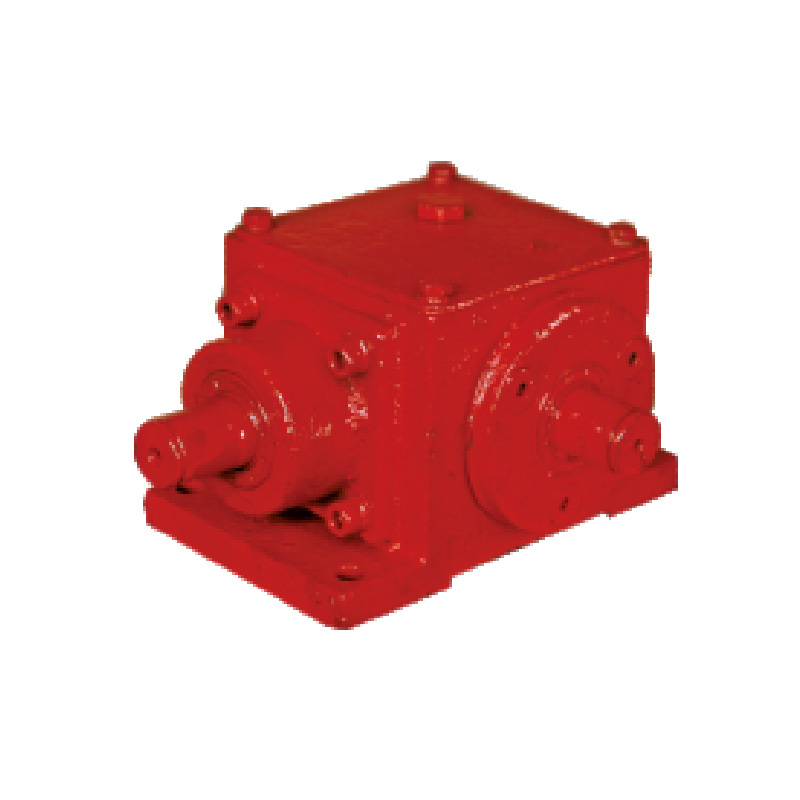
Understanding Gearboxes: The Heart of Industrial Motion
---
Gearboxes are critical components in various industrial applications, designed to transfer power and adjust the speed and torque of machinery. At their core, gearboxes consist of a series of gears that engage with each other to modify the rotational speed and force transmitted from one component to another. Whether in manufacturing, construction, or transportation, the choice of gearbox can si