Welcome to the official website of Renqiu Kaizheng Machinery Parts Factory

language
Why Choosing the Right Spline Shaft Matters for Vehicle Efficiency
2026-05-04
Why Choosing the Right Spline Shaft Matters for Vehicle Efficiency
Introduction to Spline Shafts and Their Role in Vehicles
In modern vehicles, **spline shafts** play a crucial role in the **transmission system**, acting as the link that transfers power from the engine to the wheels. A spline shaft features grooves or splines along its length that interlock with complementary grooves on other components, ensuring a secure connection while allowing for rotational movement. Understanding the significance of selecting the right spline shaft is essential for optimizing vehicle performance, fuel efficiency, and overall longevity.
The Importance of Vehicle Efficiency
Vehicle efficiency encompasses several factors, including fuel consumption, power transmission, and overall performance. In an era of increasing environmental awareness and rising fuel costs, manufacturers and consumers alike are prioritizing efficiency. Choosing the right components, including spline shafts, can make a significant difference in achieving optimal efficiency.
Defining Vehicle Efficiency
Vehicle efficiency can be defined as the ratio of the distance traveled to the amount of fuel consumed. An efficient vehicle maximizes its output while minimizing resource consumption. This is particularly relevant in the context of fossil fuel dependence and the push toward sustainable energy solutions.
Key Benefits of Enhanced Vehicle Efficiency
1. **Cost Savings**: Improved fuel efficiency directly translates to lower operating costs for vehicle owners.
2. **Reduced Environmental Impact**: Enhanced vehicle efficiency results in lower emissions, contributing to a healthier planet.
3. **Extended Vehicle Longevity**: Efficient power transmission reduces strain on components, leading to longer vehicle lifespan.
Understanding Spline Shafts: Types and Functions
Spline shafts are categorized based on their design and application. Familiarity with these types is crucial when selecting the right shaft for your vehicle.
Types of Spline Shafts
1. **Internal Spline Shafts**: These feature splines on the inside, allowing for connection with external components.
2. **External Spline Shafts**: These have splines on the outside, connecting to internal grooves of other parts.
3. **Straight Spline Shafts**: These shafts feature straight grooves and are typically used in applications requiring high torque.
4. **Helical Spline Shafts**: Characterized by inclined grooves, these shafts help in smoother power transmission and reduced wear.
Choosing the Right Type for Your Application
When selecting a spline shaft, it’s essential to consider the specific requirements of your vehicle's transmission system. Factors such as load capacity, torque requirements, and the type of movement (linear vs. rotary) must be taken into account.
The Impact of Spline Shaft Selection on Vehicle Performance
The right spline shaft significantly influences various aspects of vehicle performance, including power transfer, fuel efficiency, and overall drivability.
Power Transfer Efficiency
A well-chosen spline shaft ensures effective power transfer between the engine and the wheels. Incorrect selection can lead to slippage or misalignment, resulting in energy loss that negatively impacts fuel efficiency.
Fuel Efficiency Improvement
Selecting a spline shaft that minimizes friction and maximizes alignment can lead to improved fuel efficiency. For example, helical spline shafts, due to their design, can provide smoother operations, further enhancing fuel economy.
Real-World Examples and Case Studies
Several case studies illustrate how the right spline shaft selection has led to significant improvements in vehicle efficiency. For instance, a comparison between straight and helical spline shafts demonstrated that vehicles using helical designs achieved better fuel economy due to reduced friction and enhanced power delivery.
Factors to Consider When Choosing a Spline Shaft
To ensure optimal selection, consider the following factors:
Load Capacity
Assess the load that your vehicle will regularly handle. Choosing a spline shaft with an adequate load capacity is essential to prevent premature failure.
Material Selection
The material of the spline shaft affects durability and performance. Common materials include steel, aluminum, and composite materials. Each has its benefits and should be chosen based on specific application needs.
Environmental Conditions
Consider the environmental conditions your vehicle operates in. For instance, vehicles exposed to high moisture levels may require corrosion-resistant materials.
Common Mistakes to Avoid When Selecting Spline Shafts
1. **Ignoring Manufacturer Specifications**: Always consult your vehicle’s manual for manufacturer recommendations regarding spline shaft specifications.
2. **Underestimating Load Requirements**: Failing to account for the actual loads can lead to premature wear and component failure.
3. **Neglecting Compatibility**: Ensure that the selected spline shaft is compatible with other components in the transmission system.
Maintenance Tips for Spline Shafts
Proper maintenance extends the lifespan of spline shafts and enhances vehicle efficiency. Here are some tips:
Regular Inspections
Routine inspections can help identify wear and tear early. Look for signs of rust, wear on splines, or misalignment.
Lubrication
Proper lubrication reduces friction and prolongs the life of spline shafts. Ensure that lubricants are compatible with the materials used in the shaft.
Addressing Wear and Tear Promptly
If wear is detected, address it promptly to prevent further damage to the vehicle's transmission system. Replacement may be necessary if wear is excessive.
Frequently Asked Questions (FAQs)
1. What are spline shafts used for in vehicles?
Spline shafts are used to transfer torque from the engine to various components in the vehicle, ensuring efficient power delivery.
2. How do I know if my spline shaft needs replacement?
Signs of wear include unusual noises, vibrations, and decreased performance. If you notice these symptoms, it may be time to consider replacement.
3. Can I use any spline shaft for my vehicle?
No, it’s crucial to select a spline shaft that meets the specific requirements and compatibility standards of your vehicle to ensure proper function.
4. What materials are most spline shafts made from?
Spline shafts are commonly made from materials such as steel, aluminum, and composites, each offering various advantages depending on the application.
5. How does a damaged spline shaft affect vehicle performance?
A damaged spline shaft can lead to inefficient power transfer, resulting in reduced fuel efficiency, increased wear on other components, and potentially costly repairs.
Conclusion
Choosing the right spline shaft is vital for enhancing vehicle efficiency and maximizing performance. By understanding the types of spline shafts, their functions, and the factors influencing selection, vehicle owners can make informed decisions. Prioritizing quality, proper maintenance, and compatibility will not only extend the lifespan of your vehicle’s transmission system but also contribute to significant cost savings and a reduced environmental footprint. Investing time in researching and selecting the appropriate spline shaft can lead to long-term benefits for both your vehicle and the planet.
Recent News
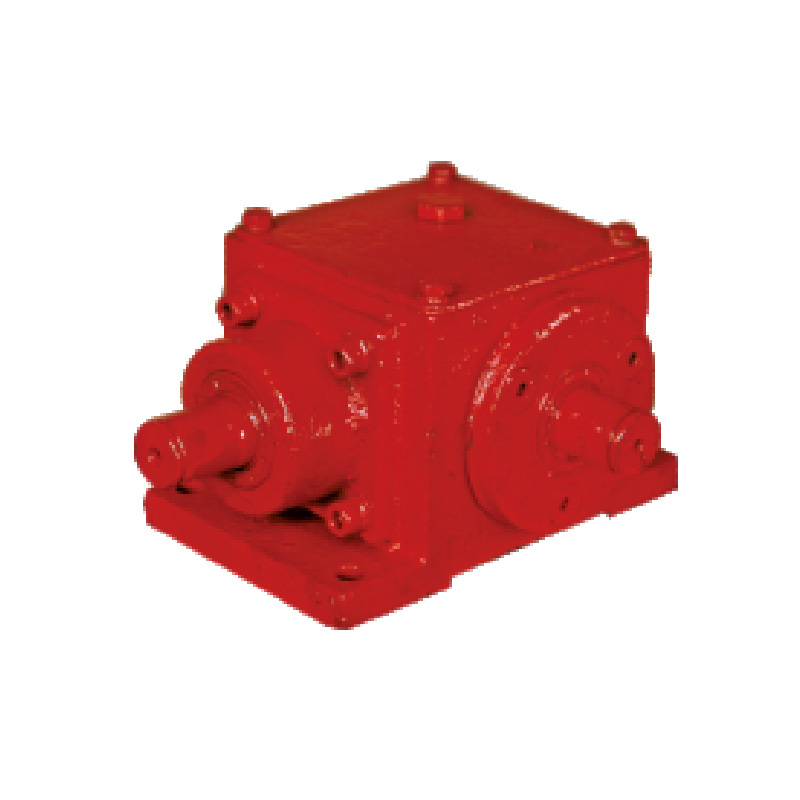
Understanding Gearboxes: The Heart of Industrial Motion
---
Gearboxes are critical components in various industrial applications, designed to transfer power and adjust the speed and torque of machinery. At their core, gearboxes consist of a series of gears that engage with each other to modify the rotational speed and force transmitted from one component to another. Whether in manufacturing, construction, or transportation, the choice of gearbox can si