Welcome to the official website of Renqiu Kaizheng Machinery Parts Factory

language
In-Depth Guide to Agricultural Drive Gearbox Maintenance and Longevity
2026-05-18
In-Depth Guide to Agricultural Drive Gearbox Maintenance and Longevity
Agricultural machinery plays a pivotal role in modern farming, and the **drive gearbox** is one of its most crucial components. Maintaining this vital piece is essential for ensuring efficiency and longevity. In this comprehensive guide, we will delve deep into the maintenance practices, troubleshooting techniques, and essential tips that every farmer and equipment operator should know to keep their agricultural drive gearbox in top condition.
Table of Contents
1. Understanding the Agricultural Drive Gearbox
2. Importance of Regular Maintenance
3. Key Components of an Agricultural Drive Gearbox
4. Best Practices for Drive Gearbox Maintenance
5. Troubleshooting Common Gearbox Issues
6. Extending the Longevity of Your Gearbox
7. When to Seek Professional Help
8. Conclusion
9. FAQs
Understanding the Agricultural Drive Gearbox
The **agricultural drive gearbox** serves as the power transmission hub, converting the engine’s rotational energy into usable power for agricultural implements. Typically used in tractors, harvesters, and other farming equipment, it allows for the efficient operation of various machinery, ensuring that tasks are performed seamlessly.
Understanding how this gearbox operates is crucial for effective maintenance. It consists of a series of gears and shafts that work together to manage speed and torque, optimizing performance. Recognizing the intricacies of these components will help operators identify potential issues before they escalate.
Importance of Regular Maintenance
Regular maintenance of the drive gearbox is not just a good practice; it is essential for several reasons:
- **Maximizing Efficiency**: A well-maintained gearbox operates smoothly, which enhances overall machine efficiency.
- **Reducing Downtime**: Proactive maintenance minimizes the risk of unexpected breakdowns, ensuring that agricultural operations continue without interruption.
- **Cost Savings**: Preventive care can save significant repair costs in the long run, as it helps catch minor issues before they develop into major problems.
By investing time in regular maintenance, operators can prolong the life of their drive gearbox and, consequently, their agricultural equipment.
Key Components of an Agricultural Drive Gearbox
To effectively maintain an agricultural drive gearbox, it is crucial to understand its key components:
- **Gear Set**: The heart of the gearbox, consisting of various gears that alter speed and torque.
- **Shafts**: These transmit power between the engine and the gearbox and between different gear sets.
- **Bearings**: Essential for reducing friction and wear between moving parts within the gearbox.
- **Seals**: These keep lubricants contained within the gearbox while preventing contaminants from entering.
Each of these components plays a vital role in the gearbox’s overall function, and neglecting any part can lead to performance issues.
Best Practices for Drive Gearbox Maintenance
Implementing a structured maintenance routine is key to ensuring the longevity and effectiveness of the agricultural drive gearbox. Here are essential best practices:
1. Regular Inspections
Conduct routine inspections to check for any visible signs of wear or damage. Look for oil leaks, unusual noises, and any irregular movements during operation. Early detection of problems can prevent serious issues later.
2. Lubrication
Ensure that the gearbox is adequately lubricated using the manufacturer-recommended oil. Regularly check oil levels and replace fluids as needed. Proper lubrication reduces friction, which is crucial for minimizing wear and tear on the gears.
3. Monitor Operating Temperatures
Extreme heat can adversely affect gearbox components. By monitoring the operating temperatures, you can identify overheating issues and take corrective actions immediately.
4. Cleanliness
Maintain a clean environment around the gearbox. Dirt and debris can enter the gearbox through seals or openings, leading to contamination. Regularly clean the exterior of the gearbox to minimize this risk.
5. Vibration Analysis
Monitor vibrations during operation. Unusual vibration patterns can indicate misalignment or other internal issues, signaling the need for adjustments or repairs.
Troubleshooting Common Gearbox Issues
Despite regular maintenance, issues can sometimes arise. Here are common gearbox problems and their potential fixes:
1. Gear Slipping
**Symptoms**: Unusual noises and loss of power.
**Solution**: This often indicates worn gears or insufficient lubrication. Inspect the gear set and add oil as necessary.
2. Overheating
**Symptoms**: High operating temperatures and burning smells.
**Solution**: Check for low oil levels or incorrect viscosity. Ensure proper ventilation and cooling.
3. Leaking Oil
**Symptoms**: Visible oil spots under the machinery.
**Solution**: Inspect seals and gaskets for damage. Replace any worn components to prevent further leaks.
Extending the Longevity of Your Gearbox
To maximize the lifespan of your agricultural drive gearbox, consider the following strategies:
1. Follow Manufacturer Guidelines
Always refer to the manufacturer’s specifications for maintenance practices and lubricant types. Adhering to these guidelines ensures optimal performance.
2. Train Operators
Ensure that all operators are trained in proper usage and maintenance techniques. They should be aware of the signs of potential problems and understand how to properly care for the equipment.
3. Avoid Overloading
Exceeding the recommended load can drastically shorten the lifespan of any gearbox. Always adhere to the capacity limits specified by the manufacturer.
4. Schedule Regular Maintenance
Establish a routine maintenance schedule that includes inspections, lubrication, and replacements of any necessary parts. Consistency is key to longevity.
When to Seek Professional Help
Sometimes, issues may arise that are beyond the scope of regular maintenance. Look for the following signs that indicate it's time to consult a professional:
- Persistent unusual noises or vibrations that do not resolve with basic maintenance.
- Significant oil leaks that require replacement of seals or gaskets.
- Severe overheating that persists despite troubleshooting efforts.
In such cases, enlisting the expertise of a qualified technician can save time and prevent further damage to the gearbox.
Conclusion
Maintaining an agricultural drive gearbox is integral to ensuring effective and efficient machinery operation. By understanding its components, adhering to best maintenance practices, and recognizing when to seek professional help, operators can significantly extend the life of their gearboxes. This proactive approach not only enhances performance but also contributes to overall productivity in agricultural operations. Take these insights to heart, and safeguard your investment in agricultural machinery for years to come.
FAQs
1. How often should I maintain my agricultural drive gearbox?
Regular maintenance should be performed according to the manufacturer's recommendations, typically every 50 to 100 operating hours.
2. What type of lubricant is best for my gearbox?
Always use the lubricant specified by the manufacturer, as different gearboxes may require different types of oil.
3. Can I perform maintenance myself?
Yes, basic maintenance tasks like checking oil levels, lubricating, and cleaning can be done by the operator, but more complex issues should be handled by professionals.
4. What are the signs of a failing gearbox?
Signs include unusual noises, oil leaks, overheating, and gear slippage.
5. What should I do if my gearbox overheats?
Stop operating the machinery immediately, check oil levels, and ensure proper ventilation. If the problem persists, consult a professional.
By following this guide, you can ensure that your agricultural drive gearbox remains a reliable and efficient component of your farming equipment.
Recent News
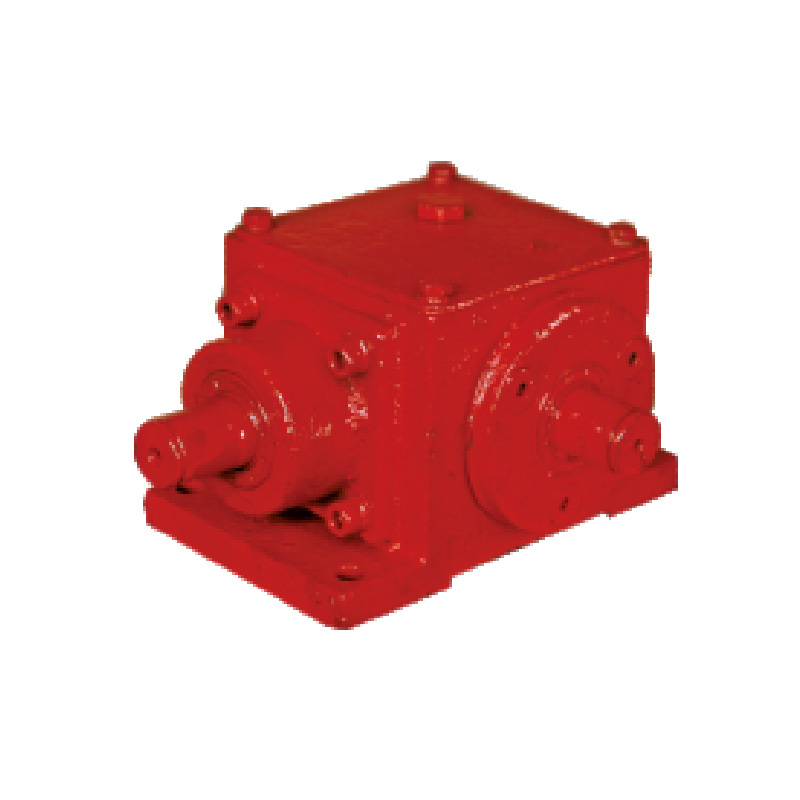
Understanding Gearboxes: The Heart of Industrial Motion
---
Gearboxes are critical components in various industrial applications, designed to transfer power and adjust the speed and torque of machinery. At their core, gearboxes consist of a series of gears that engage with each other to modify the rotational speed and force transmitted from one component to another. Whether in manufacturing, construction, or transportation, the choice of gearbox can si